
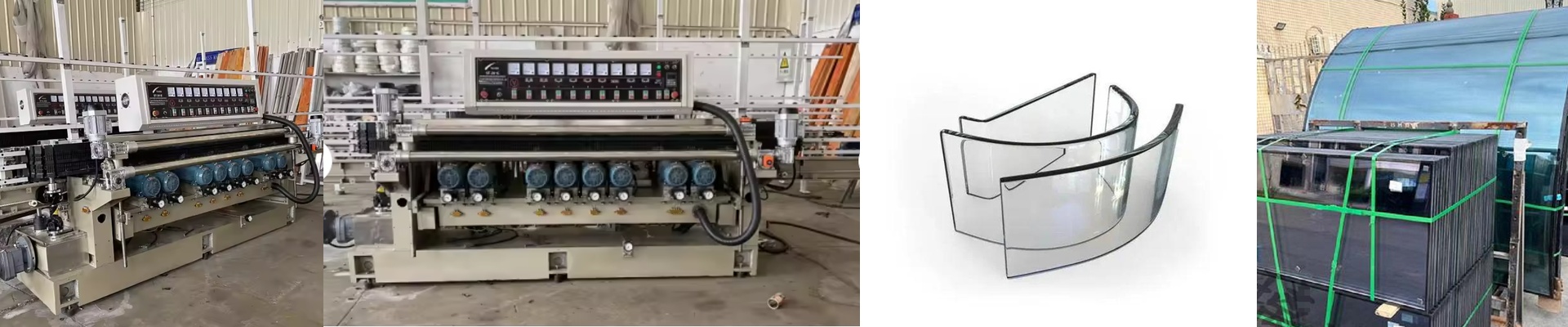

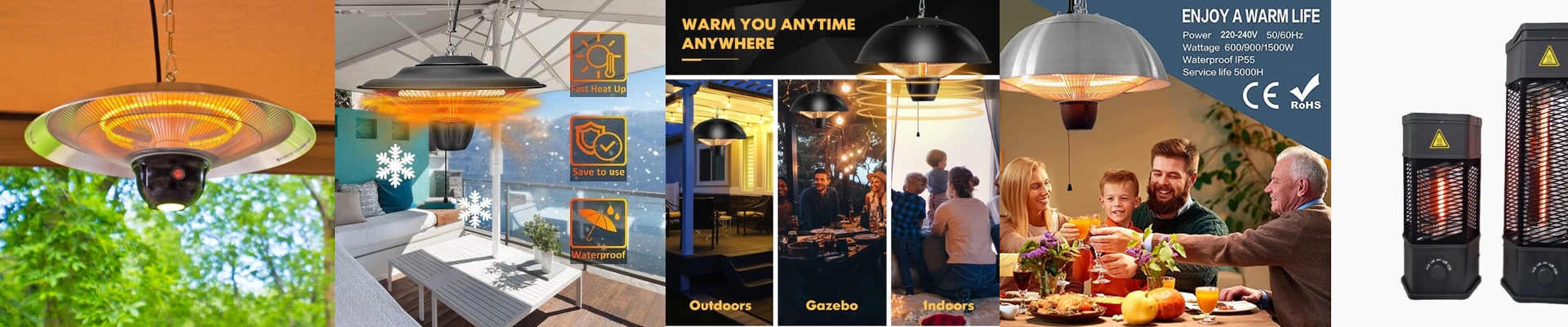


On the glass line, strength testing isn’t a lab side project. It’s production discipline. If the thermal profile slips during tempering—or if thermal shock checks miss—you’ll see it fast as scrap, field failures, and rework. We built our infrared testing heaters to put repeatable heat exactly where the process needs it, without the swings you get from convection and long warm-ups. What actually matters under the hood The core is short-wave infrared with directional radiation. That gives you fast response and tight control. The heater lays down a uniform thermal field across the target area, so you don’t get hot and cold spots that drive thermal stress and uneven temper. Power comes up instantly—full output in seconds—so short test cycles run without waiting on heat soak. The quartz envelope and reflector geometry keep the energy on the glass surface, not wasted heating air or fixtures. Why this plays in strength testing Here’s the reality: consistency is the only metric that counts. Uniform heat cuts the risk of localized overheating that can hide defects or seed micro-cracks, so your pass/fail tells you something about the glass—not the heater. Rapid response shortens the cycle, which means you can catch process drift early—temperature, timing, and pressure—before it turns into a full run of nonconforming tempered glass. Energy use drops because the heat goes where it’s needed, and the unit holds setpoint without overshoot. What you need to keep straight on the floor Mounting and alignment matter. The heater performs when it’s aimed right and the distance to the glass stays within the recommended window; step outside that window and uniformity falls off. It will interface with common test stations, but verify the mounting footprint and terminal arrangement against what you’re already using. Expect shorter lamp life if you run very high power density continuously—plan the duty cycle the same way you do for the furnace.