


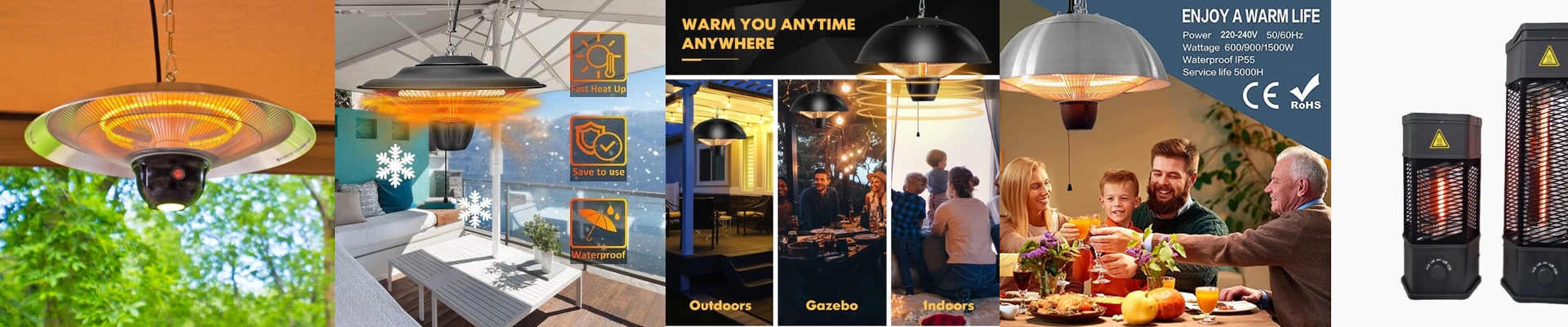

In a gallery or museum, the air carries a quiet responsibility. One stray draft, one unchecked hot spot, and you risk the delicate balance that protects canvas, pigment, and paper. Forced-air systems stir up dust and moisture, while visible radiators can create uneven heat that warps frames and stresses materials. You need warmth, but you can’t afford a gamble. What matters, technically We built our WiFi electric heater around infrared radiant heat, using a carbon fiber element that warms objects and people directly—not the air. No blowers. No dryness. No circulation that moves particulates. Output is focused and controllable, with instant response—no long warm-up, no cool-down lag. Control is the other half of the equation. Built-in WiFi lets you schedule, adjust, and monitor zones from a phone, or integrate with your building system. Paired with a precise thermostat, the unit holds steady setpoints, avoiding the swings that stress sensitive collections. Why it works in this setting Galleries and museums need heat that stays out of the way. Infrared warmth lands where you point it, keeping visitors comfortable while surfaces stay even. With WiFi, you can tailor heat to occupancy and events, so energy use matches reality. The result is stable conditions, quiet operation, and confidence that the microclimate around each artifact remains predictable. What you need to know Infrared is directional, so coverage comes down to placement and angle. Plan for even spacing and aim the warmth toward seating and transition areas—never directly onto artwork. These heaters run on standard electric circuits, and we recommend a dedicated line with proper clearances. They’re designed for indoor, protected spaces. For outdoor entryways, choose a model with the right IP rating for damp conditions.