


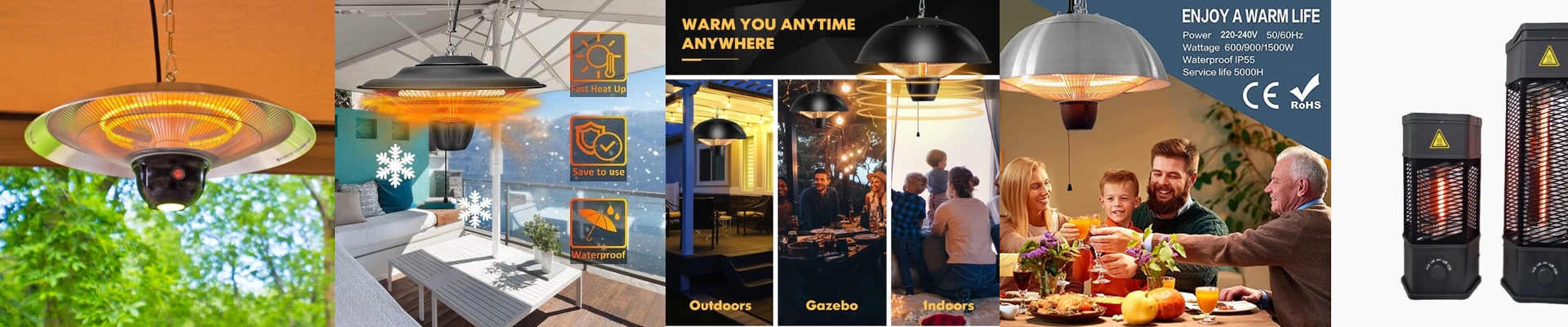

Stepping out of the shower into a bathroom that still feels damp and cold—yeah, we’ve all been there. The old bulb-style heaters warm the air right in front of you, but the tiles and mirror stay cold, so you get that clammy post-bath chill. That’s why high-IP-rated infrared heaters are showing up more and more in bathroom upgrades. They don’t just heat air; they deliver direct radiant warmth that evens out surface temperatures, so the room feels properly comfortable, not just “warm-ish.”
What matters, technically
Infrared bathroom heaters use a quartz or carbon fiber element to emit radiant heat. That heat travels through the air and warms you and objects directly. The number you really care about is the IP rating.IP24 means the unit is protected against splashing water from any direction, which is non-negotiable in a wet space. That’s a step up from standard IP21-rated heaters. The heating element is built for quick response—hits target temperature in seconds—and the built-in thermostat keeps comfort steady without big temperature swings.
Why this works in a bathroom
In a bathroom, comfort comes down to surface temperature. Radiant infrared warmth gets absorbed by your skin and by the surrounding surfaces, so you feel the heat immediately and the room feels less clammy. That translates to faster drying and a more consistent feel, even during quick morning routines. Because the heat is directed where it’s needed, you’re not wasting energy heating empty air. If you’re remodeling, this upgrade brings a spa-like feel without major structural work, and the sealed design means fewer drafts and less dust circulating.
What you need to know up front
Installation is straightforward, but you do need a dedicated circuit and a qualified electrician to handle grounding and load management. Most units are designed for hardwired connection, so plug-in convenience isn’t always an option. Infrared heaters are excellent for spot comfort, but they perform best when paired with solid bathroom ventilation to keep humidity in check. Plan mounting height and location carefully so you get even coverage across the shower and vanity, and you’ll get reliable warmth season after season.