


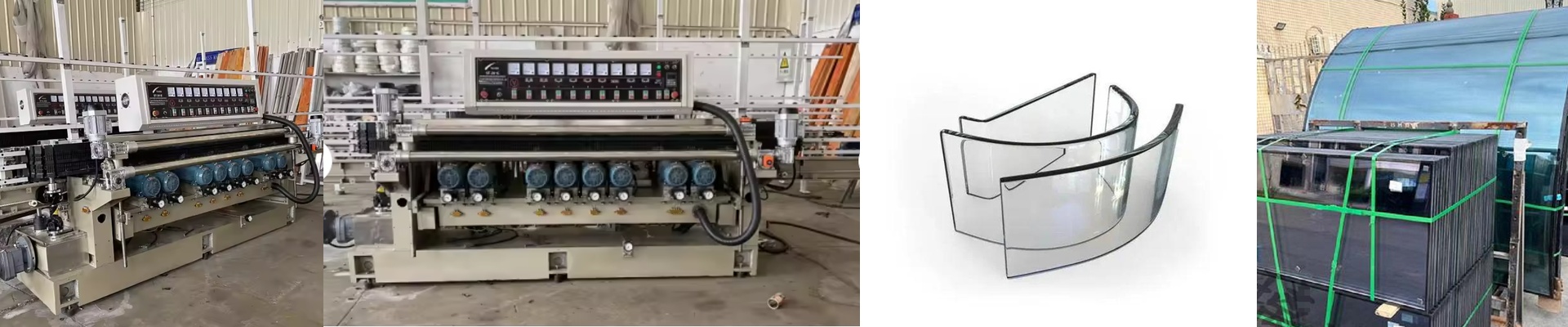

On the glass line, a sandblasted panel that comes out wet or unevenly heated is a problem you can’t see at first. Trapped moisture and leftover abrasive hold up coating cure, push bubbles into EVA/SGP lamination, and set up thermal stress fractures during tempering. When the heater isn’t pulling its weight, you pay for it in scrap, rework, and lost cycle time. What matters under the hood We built the sandblasted glass cleaning heater around medium-wave infrared emitters in a quartz envelope, tuned for glass surfaces. The wavelength profile hits the film and substrate fast without overdriving the edge, so thermal gradients stay tight. Controlled power density gives you a quick ramp-up while holding setpoint steady. The module drops into standard mounting footprints, with terminals sized for industrial wiring and consistent focal distance across the full width of the glass. Why it holds up in real production This heater clears sandblasting residue by driving off water and fines before the next step, so the glass enters coating, drying, or lamination with a stable, dry surface. The payoff is fewer blisters, fewer rejects, and a thermal profile you can count on to keep the line moving. In high-throughput plants, the fast response cuts dwell time and trims gas or electricity use compared to running convection alone. For insulating glass sealing, it dries the edge band reliably, so the primary and secondary seals adhere without porosity. A few shop-floor notes The heater does its best work when it’s squared up to the glass plane and the reflectors stay clean—otherwise you’ll see localized hot spots. It needs a stable power supply and an unobstructed air path. Don’t block airflow, and keep it clear of sensitive sensors. Match voltage and connector type to your existing machine interface, and confirm clearances before you retrofit. You’ll get faster warm-up than with conventional banks, but plan for thermal expansion management on long runs.