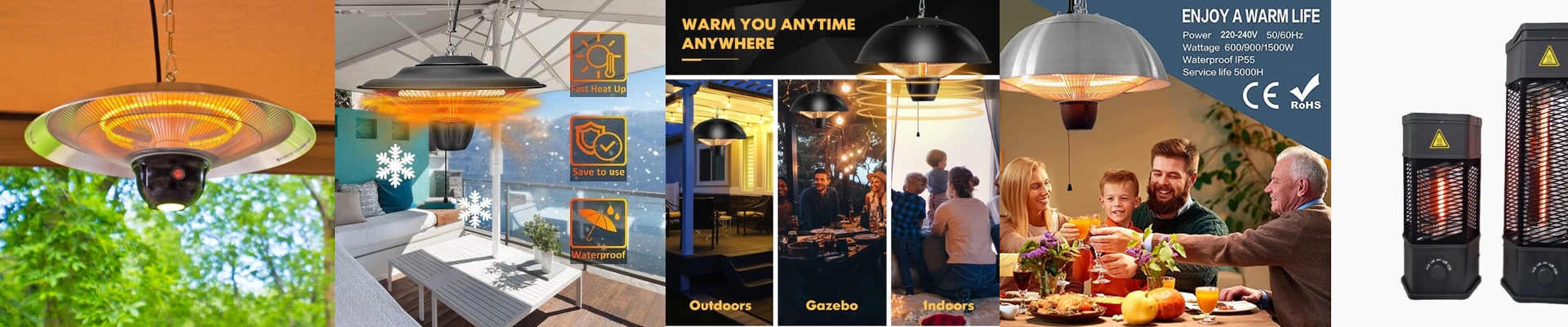

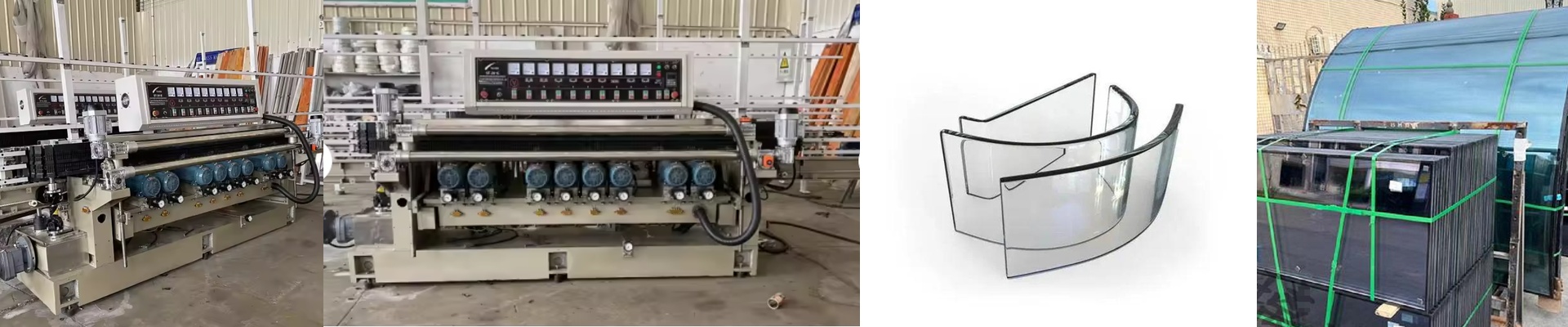


On the floor, that furnace alarm is the last thing you want to hear. A temperature drift during tempering, a slow recovery in the lamination press—those aren’t just line stoppers. They show up as optical distortion, bow, and thermal stress that end up as scrap and rework. Precision heating isn’t a “nice-to-have.” It’s the line between making yield and paying for downtime. Here’s what actually matters. We build our quartz heaters around short-wave infrared elements chosen for fast response and stable emissivity. The quartz tube holds its output even after repeated thermal cycling, and the reflector geometry is set up to give a uniform thermal field across the glass. Uniformity matters because glass hates gradients—uneven heating drives localized expansion that shows up as stress fractures and roller wave. Specs are matched to real production lines: 230–460 V, compact form factors for retrofits, and terminals and connectors that can take vibration. Output stays inside tight tolerance, so the setpoint is something you can count on, not a hope. In tempering, the heater has to get the glass to the quench point quickly—and do it consistently. Our units hit the target and hold it, so the quench delivers repeatable surface compression. In bending, the heater profile controls sag without hot spots, keeping optical quality in an acceptable range. In EVA/SGP/PVB lamination, the same fast response shortens cycle time by recovering temperature after loading—without overshoot that can kick off bubbles. The payoff is fewer rejects, stable throughput, and lower energy per part because the heater isn’t constantly chasing the setpoint. A couple of practical points. These quartz heaters are sensitive to mounting clearance and airflow. Install them with the spacing the manual calls for, and keep the reflector clean—dust and debris wreck uniformity. They’re line-of-sight, too. Obstructions throw shadows, so plan for that during integration. Set it up right, and you get predictable performance and long life. Miss the basics, and you’re buying variability. We make the physics do the work, but the plant still has to do its part.