

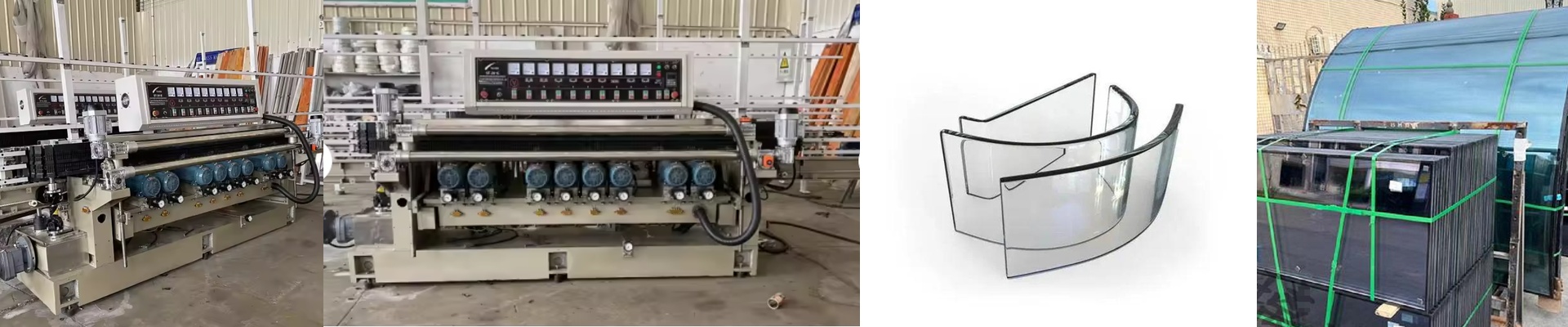

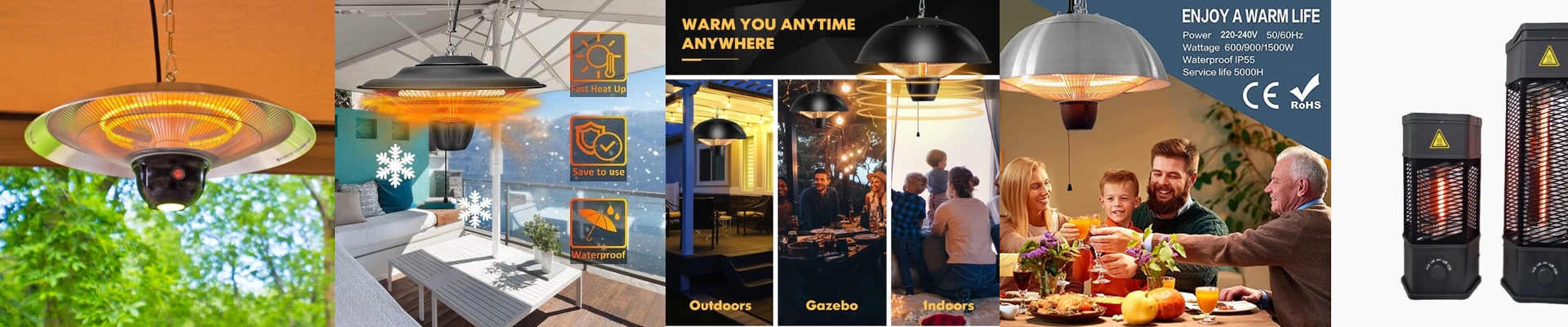

On the glass line, heat isn’t just a number on a gauge. It’s timing, it’s distribution, and it’s repeatability—every shift, every load. When the thermal profile drifts in tempering or lamination, the glass pays for it: optical distortion, thermal stress cracks, and adhesion issues that can slip past inspection and show up in the field. We built our certified industrial heater to keep that thermal field stable under real production pressure, so your cycle stays consistent, shift after shift. What matters under the hood We run short-wave infrared quartz emitters because they dump energy directly into the glass with low thermal inertia. Ramp rates hit up to 10°C/s, which shaves idle time between loads. Temperature uniformity across the active face holds within ±2% (that’s ±15°C at a 750°C setpoint), so the center and edges get the same energy density. The result is predictable bending and tempering. Power density sits at 25–35 W/cm², enough heat flux to handle thick laminates and coated glazing without overshoot. The unit is certified to industrial safety and EMC requirements and is engineered as a drop-in module for standard press and oven interfaces. Here’s why this plays well where the rubber meets the glass. In tempering, that speed and uniformity translates to more consistent quench pressure and fewer edge stress fractures. In EVA/SGP/PVB lamination, the rapid, even rise gets you into the adhesive flow window fast and holds it steady—fewer bubbles, fewer voids. For insulating glass sealing and coating drying, the controlled profile cuts pinholes and hazing that come from overheated edges. Energy use drops, too, because the emitters respond quickly and the insulation package keeps standby losses down. The payoff is fewer scrap sheets and less rework. A few practical notes before you pull the trigger. Installation is straightforward, but the heater needs clean, dry airflow and proper clearance around the quartz tubes. Make sure your supply voltage and connector rating match the specified load, and verify your controller’s emissivity compensation for coated or reflective glass. In high-humidity plants, keep the termination points protected from condensation. Run the first week with data logging on ramp rate and zone uniformity, then lock the recipe in.