
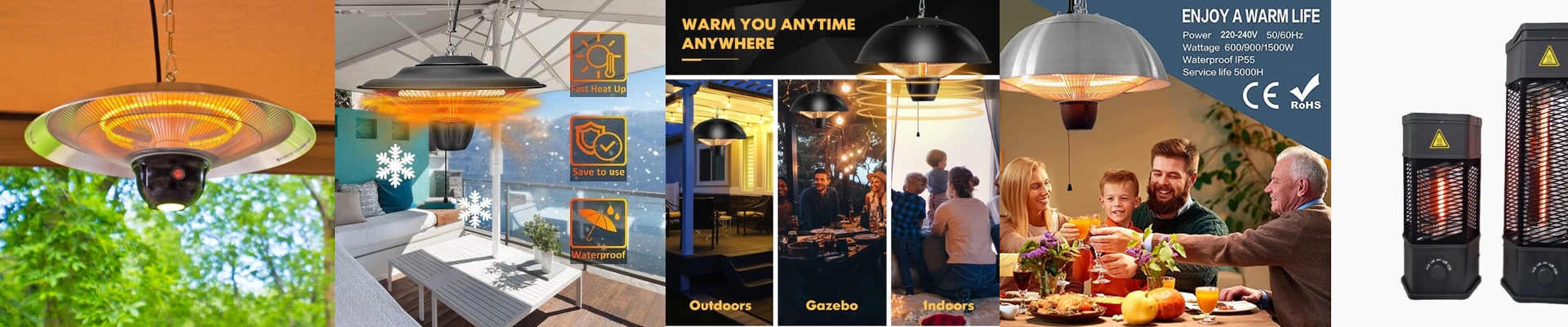



Desktop Electric Heater: How Infrared Heat Gets Deep—Fast—for Athletic Recovery
We built this desktop heater for one simple reason: athletes need heat that actually reaches the muscle, right away, without just scorching the surface. It leans on infrared thermal penetration to deliver warmth where it counts—especially after winter training, and when you’re supporting physical therapy work.
Power, Voltage, and Output: Big Heat, Small Footprint
Here’s the thing: this is a compact unit, but it’s not playing around. It runs on standard mains voltage, so you can plug it in and get stable wattage without rewiring your space. It’s designed to sit on a treatment bench or recovery station and deliver strong infrared intensity—enough to push thermal energy below the skin quickly. That speed comes with a practical note: high intensity means the area around it warms up. Keep the space ventilated, and give it clearance. If you’re working in a tight room, keep the reflector clean and make sure air is moving so the electronics and lamp stay within safe temperature limits.
The Core: Halogen Infrared Inside a Quartz Envelope
At the heart of it is a halogen infrared emitter, sealed inside a quartz envelope. Quartz handles rapid heating and cooling well, so the lamp stays steady even when you’re turning it on and off again and again. The halogen cycle helps keep the filament in good shape over time, which means fewer surprise burnouts—and more consistent output. We designed the beam path to stay focused. The reflector sends infrared energy straight forward, so less heat gets wasted. And when it’s time to replace the lamp, it’s meant to be simple: a clean mechanical fit, no custom bracket. It’s a drop-in replacement, because downtime is the last thing you want.
What It Does for You: Muscle Relaxation and Recovery Support
Infrared heat doesn’t just sit on top of the skin. It penetrates past the superficial tissue, delivering thermal effects deeper than surface-level warmth can. For athletes, that translates into muscles relaxing faster after cold-weather sessions, better local circulation, and less of that tight, stiff feeling. In physical therapy settings, controlled infrared heat can support soft-tissue recovery as part of a broader clinical routine. This isn’t a medical device, but it’s built to meet the real thermal needs of recovery work: immediate heat, steady output, and dependable duty cycles. For consistent results, run it at the rated voltage, keep the lamp clean, and manage the heat load in the room.