



Carbon Crystal Infrared Heaters: How to Get That Perfect Warmth
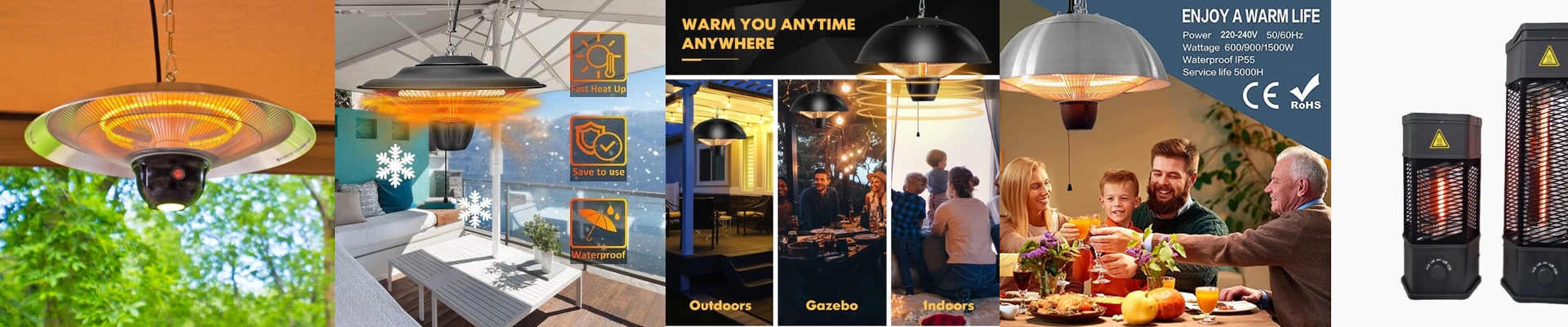
We built these carbon crystal infrared heaters for places where you need direct, radiant heat—think workshops, garages, or even a chilly corner of your home. They don’t waste time heating the air like old-school convection heaters. Instead, they send warmth straight to the objects and people in the room. The result? Instant comfort, and way less wasted energy. Perfect when you just need to heat a specific spot, or an entire space.
What Makes These Heaters Tick
Let’s get into the details, but keep it real. These heaters run on standard line voltage, usually 220-240V. Depending on the model, you’re looking at power outputs from 500W up to 2000W. The length of the heating element matters, too. It can run anywhere from 300mm to 1200mm. A longer tube means a wider spread of infrared warmth, which is great for bigger areas. But it also means you’ll need to mount it a bit higher to make sure the heat spreads evenly. Then there’s wattage density. Higher wattage packed into a shorter length gives you a more focused, intense beam of heat.
The Secret Sauce: Materials and Design
The heart of the heater is the carbon crystal element. It’s chosen for one big reason: it gets hot fast and radiates heat like a champ. Seriously, it hits operating temperature in seconds. That quartz tube around it isn’t just for looks. It can handle rapid temperature changes without cracking, and it lets infrared energy pass right through. The R7s base connector keeps everything electrically solid, even at high temps, so you don’t have to worry about sparks or flickering power. The whole design is focused on one thing: turning electricity into usable warmth with almost no waste. The heat goes where you need it, not up into the rafters.
The Key to Performance: Getting the Height Right
Here’s the thing about these heaters—where you mount them makes all the difference. Too low, and you get intense, localized heat. Think hot spots and nothing else. Too high, and the infrared energy spreads out and loses its punch before it reaches the floor. For most home setups, we suggest mounting them between 1.8 and 2.5 meters high. In a larger industrial space, you’ll go higher, but the rule stays the same: aim for a 90-degree angle to the target area. That way, you’re delivering the maximum amount of warmth right where you want it. Just keep in mind, the higher you go, the more careful you need to be with the aim. You don’t want all that good energy hitting the ceiling.