

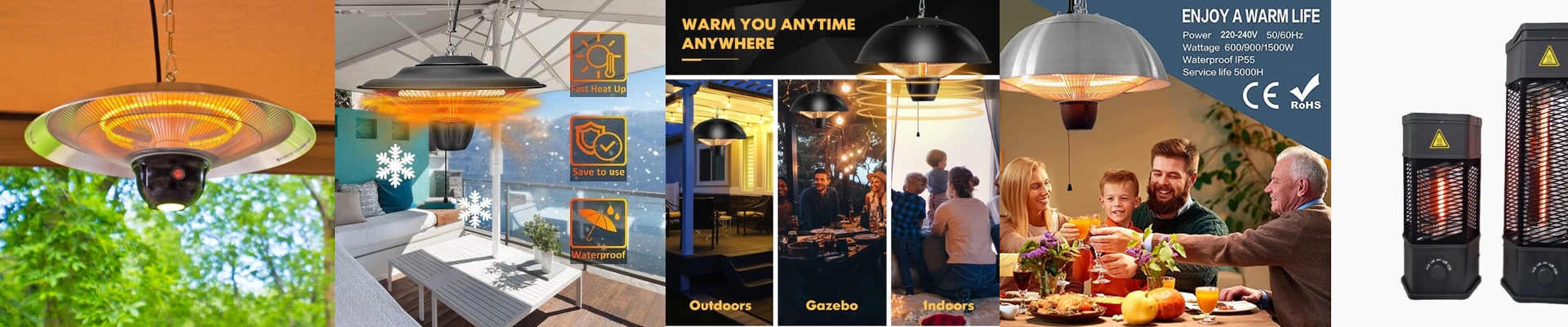


In a semi-open commercial corridor, the cold sneaks in and turns foot traffic into a quick pass-through. People pause just long enough to check a menu or cut through, and your staff starts feeling it as soon as the temperature drops. When the heating can’t keep up, comfort goes and business follows. Smart infrared electric heaters are a practical answer—warming people and the spots they use, right when they need it. What matters, under the hood We lean on infrared radiant heat, which warms people and surfaces directly, instead of wasting energy heating air. A carbon fiber element gives you even, quiet output and a long service life. If you want faster response, a quartz tube does that. The smart sensor watches motion and ambient temperature, kicking the output to high only when someone’s present. When the space is empty, it holds a low standby level. The payoff is lower energy draw without the on/off jolts that create hot and cold patches. Why this works in a semi-open corridor Heat escapes fast in these spots, and running a heater wide open all the time is expensive. Smart infrared cuts the waste by matching output to real use, so you’re paying for warmth that’s actually being used. Patrons feel steady warmth the moment they arrive, and staff stay comfortable through the shift. It supports eco-minded operations, trimming energy use while keeping the space welcoming. For owners, that translates to fewer complaints, better flow, and a cleaner bottom line. The details that make it reliable Plan for a dedicated electrical circuit and a mounting point that’s protected from the weather. In semi-outdoor areas, pick a heater rated for damp conditions and keep the sensor out of direct wind and steam. The sensor needs a clear field of view to work consistently, and it will briefly delay full heat when it first detects movement. That short ramp-up is the trade you make for smarter energy use. Position units to cover the main pathways, and you get consistent comfort with predictable operating costs.