
Making Waterproof Table Heaters Actually “Smart”
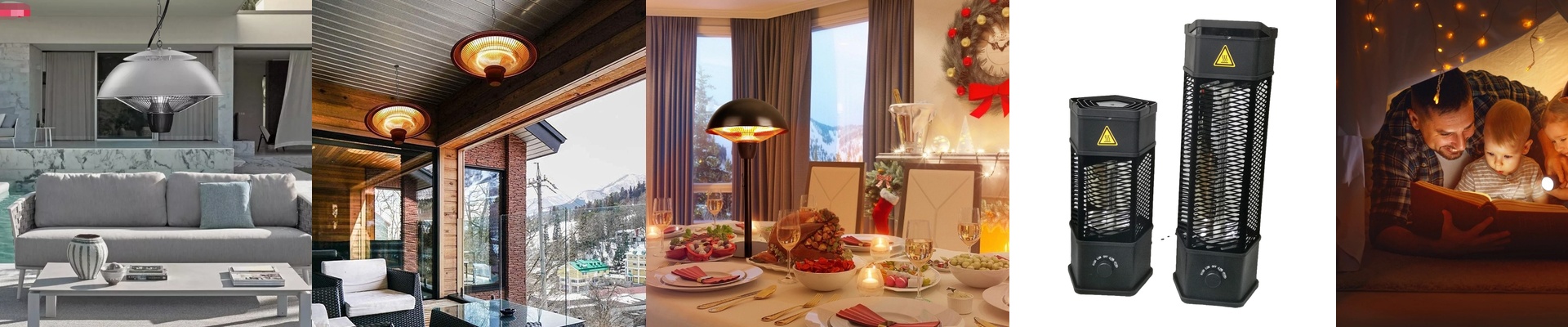
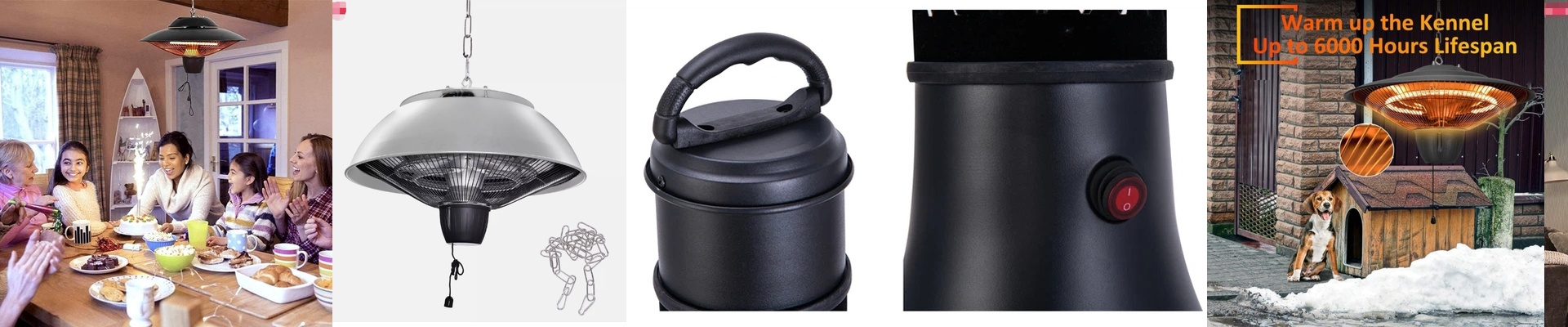
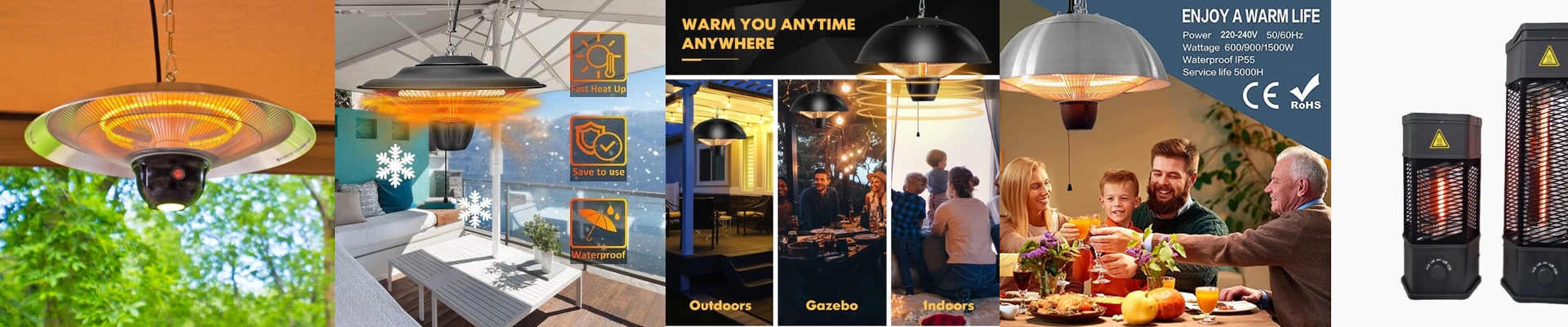
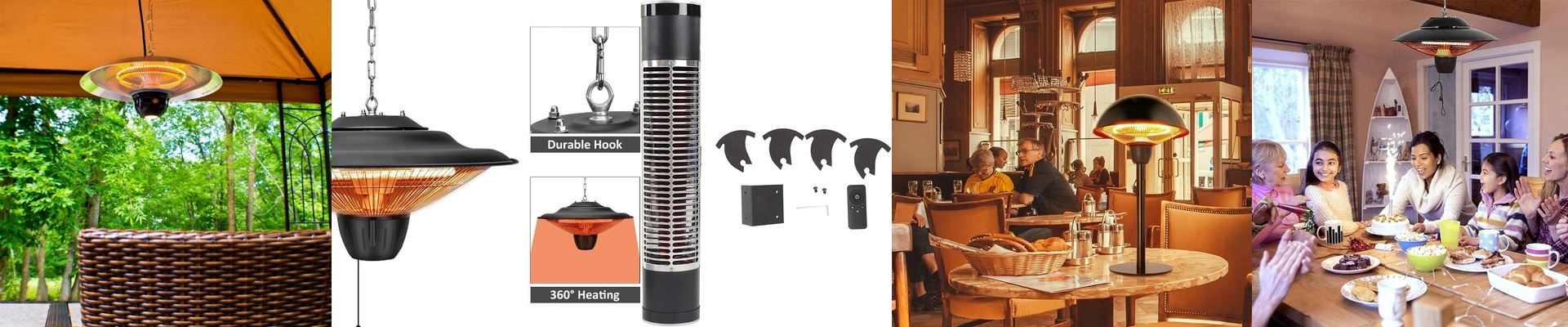
We make infrared table heaters that can handle a splash or two without blowing a fuse. But the real challenge isn’t just keeping them dry—it’s making them play nice with a smart home setup without it feeling clunky. The magic of instant warmth Here is how it works: infrared doesn’t bother warming up the air around you. Instead, it sends out radiation that hits you (or your coffee) and turns into heat right on the spot. It’s why you feel that cozy glow the second you turn it on. When you tap “Winter Mode” on your phone, a signal hits a relay, the circuit closes, and the tungsten filament gets screaming hot in a fraction of a second. No waiting around. No shivering. Keeping the brains dry To make this work in a wet environment, you can’t just slap a chip on a board. We tuck the electronics into IP-rated boxes—basically heavy-duty shells that keep humidity and splashes away from the PCB. Then we use things like Zigbee or Matter to bridge the gap. That’s the part that lets the heater know you’re coming, so it can start warming up before you even step into the room. The catch (because there’s always one) Instant heat is great, but it’s hungry. These elements pull a lot of power. If you try to cram too many of these onto one smart circuit, you’re going to trip your breakers or, worse, melt some of the thin wiring found in cheap smart home kits. You have to build your wiring for the absolute peak load. Don’t guess on this part. Set it and forget it We’ve all been there—you turn a heater on, it gets way too hot, and you spend the whole night tweaking a dial. We fixed that by using ambient sensors. The system just watches the room temperature and dials the output up or down on its own. It creates a steady, comfortable bubble of warmth that just stays there. You don’t even have to think about it.