


Keeping Your Bathroom Heater Alive in a Steam Room
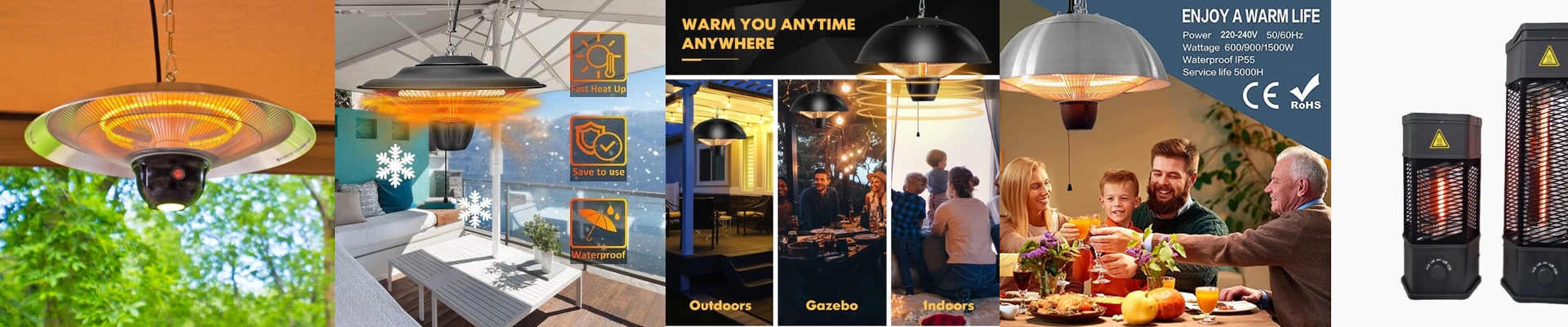
Let’s be honest: bathrooms are a nightmare for electronics. Between the thick steam, the constant humidity, and the occasional stray splash from the sink, most heating elements just give up. They rust, they short out, and they die. We didn’t want that. So we built our infrared wall heaters to actually survive the environment they’re meant for.
The Battle Against Steam
Here is the problem with most infrared lamps: they get cold when they’re off. In a steamy bathroom, moisture clings to that cold quartz tube. Then, the second you flip the switch, the heat hits that water so fast the glass literally cracks. It’s called thermal shock, and it’s a quick way to kill a heater. To fix this, we added a hydrophobic coating to the emitter. Basically, it makes the surface “water-hating.” Instead of pooling or sticking, the droplets just bead up and roll away. It keeps the heat steady and stops the tube from burning out way before its time.
Stopping the Splashes
Water getting into the wiring is where things get dangerous. That’s why we ditched those open-frame designs you see in cheaper models. We use gaskets and sealed housings to keep the guts of the machine dry. We’ve focused heavily on the wiring entries and the reflector housing, so if some shower spray hits the unit, it doesn’t end up touching a live terminal.
Finding the Balance
There’s a catch, though. If you seal a heater too tight to keep water out, you trap the heat inside. That’s a recipe for overheating. Our solution was to add vented rear panels. This lets the unit breathe and keeps the internal components cool, but since the vents are in the back, the front remains protected from splashes. You get the best of both worlds: a dry circuit and a cool chassis. One quick tip: if you’re installing these in a high-humidity spot, make sure your circuit breaker is GFCI-protected. We’ve done our part with the sealing, but your local electrical code is the final word on safety.