


Making Your Infrared Heaters Actually Smart
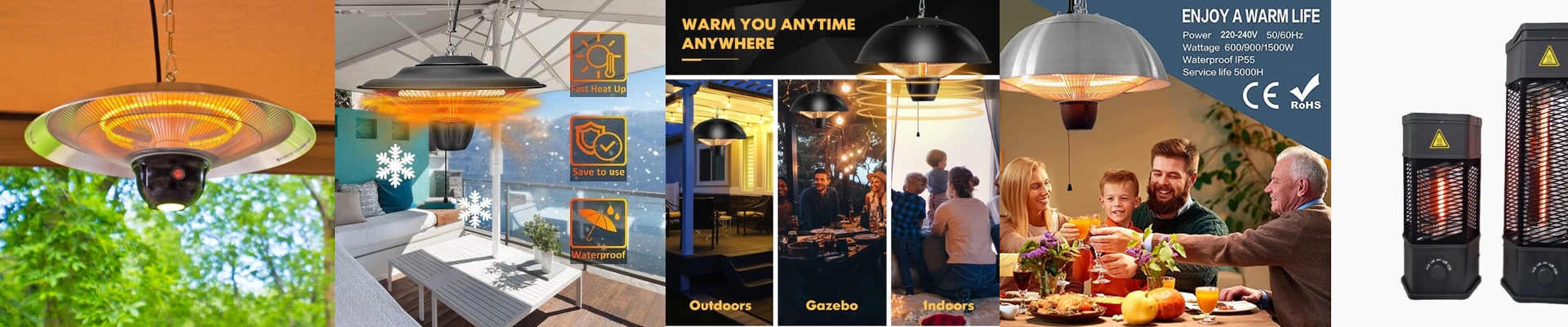
Infrared heaters are a bit different from your standard space heater. Instead of trying to warm up all the air in a room—which takes forever—they just beam heat straight at you. It’s like stepping into a patch of sunlight on a cold day. But if you’re still flipping a manual switch every time you get chilly, you’re missing out. The real magic happens when you hook these things up to your smart home. Imagine saying one command and your whole “winter setup” kicks in across every room. No more walking around the house playing hide-and-seek with light switches.
How to actually connect them
Here is the tricky part: most high-end IR lamps pull a lot of power. You can’t just plug them into a cheap smart plug and hope for the best—you’ll probably fry the switch. Instead, you need a bridge. I usually go with a smart relay (think Zigbee or Wi-Fi). The smart hub sends a tiny, low-voltage signal to the relay, and the relay does the heavy lifting by closing the high-voltage circuit. It’s a simple way to keep your electronics safe while still having total control from your phone.
That “Instant Warmth” feeling
The best thing about short-wave infrared is how fast it works. There’s no waiting for a coil to glow or a fan to kick in. It’s just… on. If you want to get fancy, pair your heaters with a PIR motion sensor. I love this setup for patios or lounges. You walk through the door, the sensor catches your movement, and by the time you’ve taken five steps into the room, you can already feel the heat hitting your skin. It feels like the house is actually welcoming you.
A few things to watch out for
It’s not all perfect, though. When you rely on a hub, you’re relying on your Wi-Fi. If your internet crashes or the hub glitches, you don’t want to be left shivering in the dark.**Always install a physical override switch.**Trust me, you’ll be glad you did. Also, be careful with the hardware you buy. If you set your heaters to click on and off every few minutes via a timer, cheap relays will burn out fast. The contacts can actually weld themselves shut. If you’re planning on doing a lot of automated switching, spend the extra few bucks on heavy-duty contactors. Your future self will thank you.