



Why Most Bathroom Heaters Die (And How We Fixed Ours)
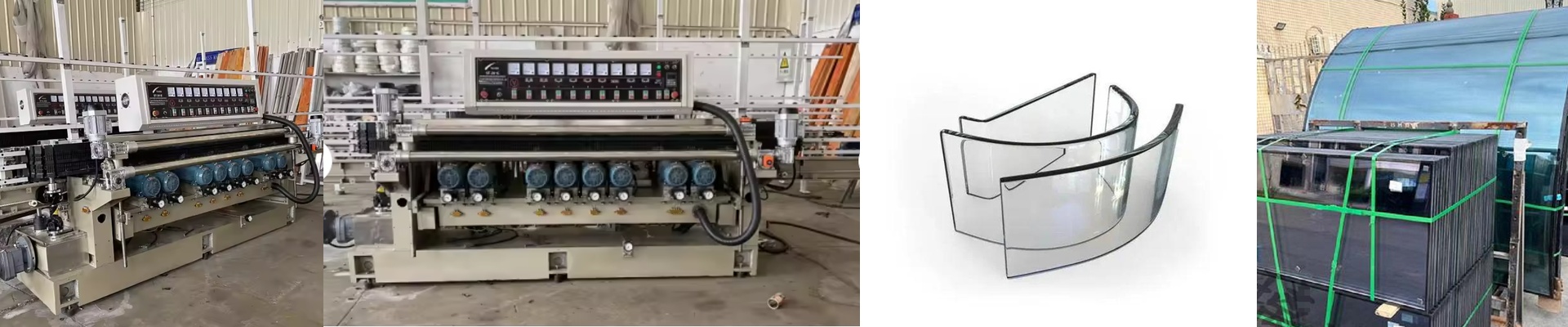
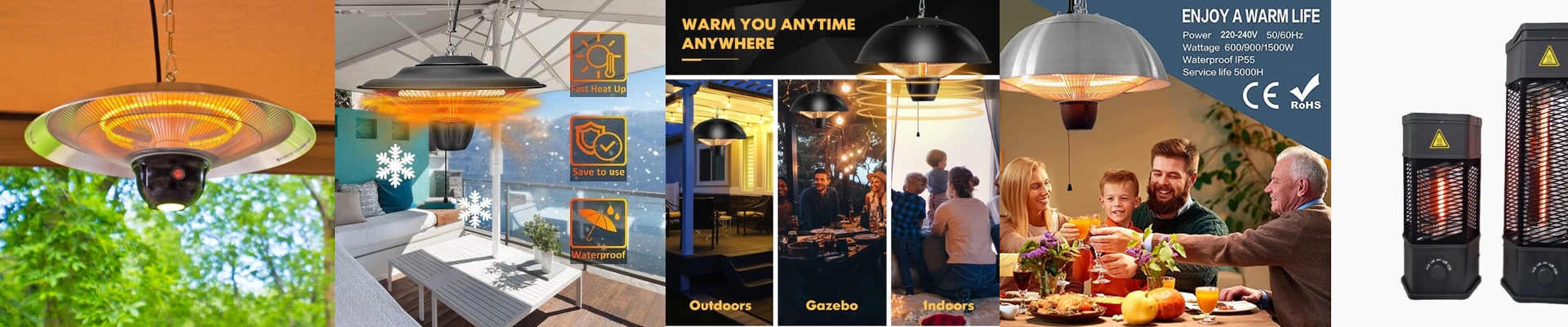
Let’s be honest: bathrooms are a nightmare for electronics. Between the thick steam and the occasional stray splash of water, it’s basically a torture chamber for heating elements. Most heaters just can’t take it. They rust, they short out, and then they’re trash. We wanted to build something that actually lasts. Keeping the water out The biggest killer? Water getting where it shouldn’t. When steam or droplets hit the electrical terminals, it’s game over. You get that dreaded “burn out” you see in cheap units because moisture creates a bridge between the wires. To stop that, we focused on the seal. We use high-grade silicone gaskets and hydrophobic coatings to keep the insides bone-dry. We don’t just check a box for an IP rating; we make sure the unit can take a daily beating from a hot shower without skipping a beat. The battle against the fog You’ve seen it happen. Your mirror fogs up, and your heater lens does the same. It looks annoying, but it’s actually a problem. When water beads up on the lens or reflector, it scatters the heat. Instead of a nice, warm glow hitting you, the heat gets bounced around and wasted. We solved this with tempered glass and special low-emissivity coatings. These materials keep the surface temperature just right so the vapor never has a chance to condense. The result? The heat stays consistent and hits you exactly where it should. The tricky part: Heat vs. Seals Here’s the thing… when you seal a unit tightly to keep water out, you’re also trapping heat inside. It’s a trade-off. You get a heater that won’t short out, but the internal components run hotter. To keep the electronics from frying, we swapped out standard wiring for insulation that can handle much higher temperatures. One quick tip: when you mount it on the wall, just leave a tiny bit of breathing room around the chassis. That little bit of airflow keeps the housing cool and ensures the unit lasts for years, not just a few months.