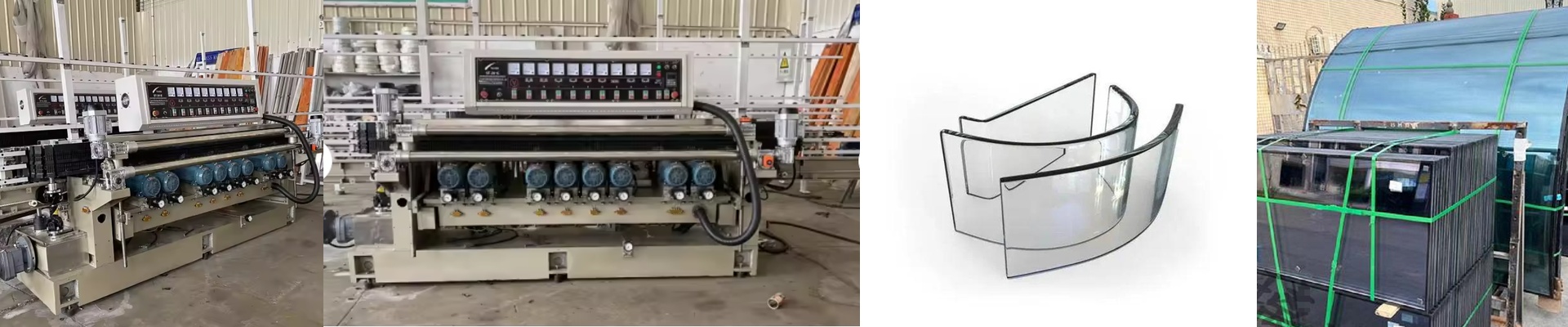



On the line, a bending heater that can’t keep up makes its own case—uneven sag, edge wave, and a pile of rejects that shuts the press down. We built our tempered glass bending heaters to hold the thermal field where it counts: steady, edge to edge, across the whole glass. What matters under the hood We run short-wave quartz infrared elements so the energy goes straight in—fast heat-up, minimal convection loss. The heater face stays in a tight, uniform temperature profile, which keeps thermal stress from spiking during the bend. Power is matched to the bending furnace or press line, with standard voltage options and terminals that handle repeated thermal cycling without complaining. The payoff is repeatable heating—shape holds, surface stays clean, and optical clarity doesn’t take a hit. Timing is everything in tempered glass bending. A quicker heat-up shortens the cycle without pushing the glass into overheat. Stable output cuts the drift between shifts, so you spend less time chasing recipes and more time shipping good parts. Energy use drops, too—the heater delivers on demand and sits quiet with low standby losses. Predictable thermal behavior means fewer bends scrapped. Here’s the part that bites you if you ignore it Compatibility is where the real cost hides. We supply drop-in replacement kits for the major glass machinery brands, with exact-fit mounting and wiring that keeps installation quick. Still, you’ve got to verify clearances and terminal orientation—frames get tight, and alignment has a direct line to heating uniformity. After you swap elements, run a short warm-up calibration. It keeps the thermal map lined up with your bending profile and stops the line from chasing drift you didn’t expect.