


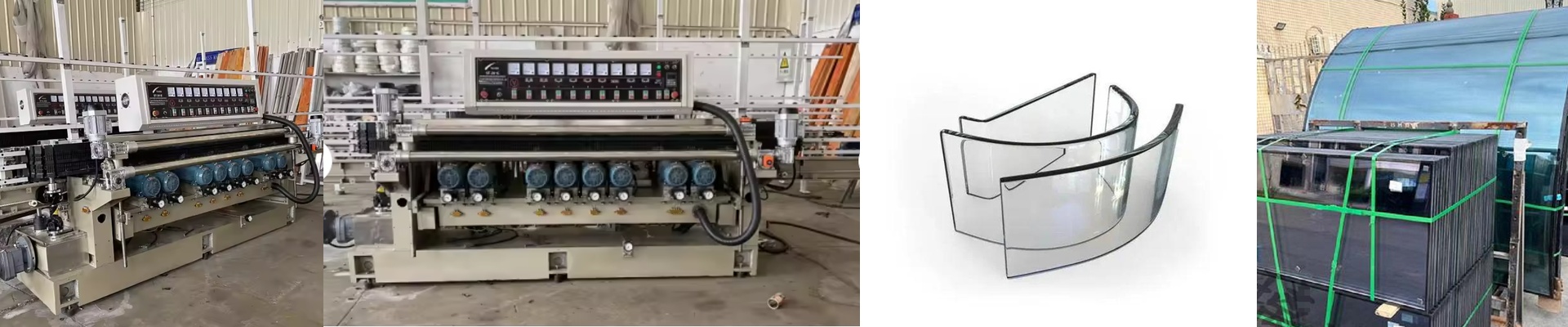
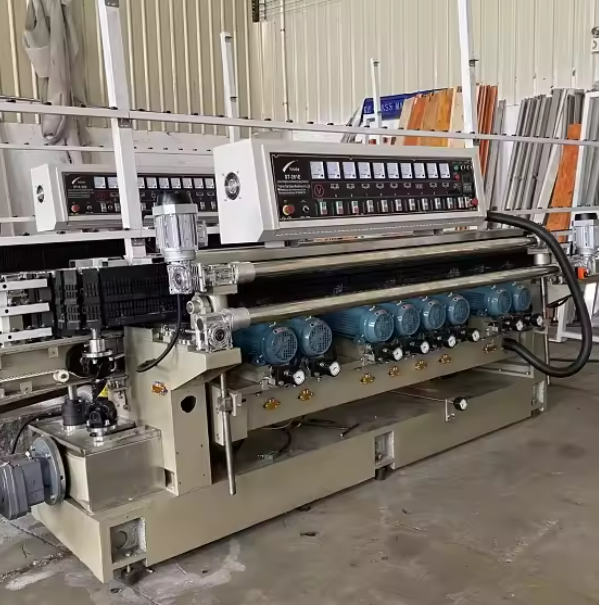
On the lamination line, heat isn’t a background setting. It’s the knob that decides whether the adhesive cures through—or whether you’re shipping units with edge voids, haze, and delamination waiting to show up later. Under-cured interlayers come back as callbacks. Overheated glass shows optical distortion and can crack from thermal stress. The heating module has to deliver repeatable, even energy, cycle after cycle, no excuses. We build our laminated glass curing around medium-wave infrared emitters. They hit the interlayer fast, with less wasted heat soaking into the glass surface. The payoff is a quicker ramp to set and tighter temperature uniformity across the sheet. Output is matched to what the line needs—typically 1.5–3.0 kW per module—with 240/400 V options and a compact footprint that drops into standard laminating press zones. Control is straightforward: closed-loop thermocouple feedback and adjustable power let you manage the adhesive profile, not just what the heater reads. Here’s why it plays well in EVA, SGP, and PVB lamination. You need consistent flow and crosslinking without scorching the polymer or warping the glass. Medium-wave heat delivers even energy quickly, so you can shorten dwell time and push throughput without chasing hot spots. Energy use drops because the emitter heats on demand and cools fast between cycles, unlike the slower, convection-heavy approach. In practice, that means fewer scrap panels, less rework, and a steadier takt time. Installation is where uptime is won or lost. We supply drop-in replacement kits and adapter brackets for common glass machinery footprints, so you can swap the module without tearing up the press or re-routing utilities. Expect tight alignment tolerance—typically ±2 mm on mounting centers—and double-check clearance around the emitter so nothing contacts moving platens. Infrared emitters need a clean, reflective cavity and stable voltage. If the line voltage sags, cure consistency drifts. A regulated supply or dedicated circuit is worth the trouble.