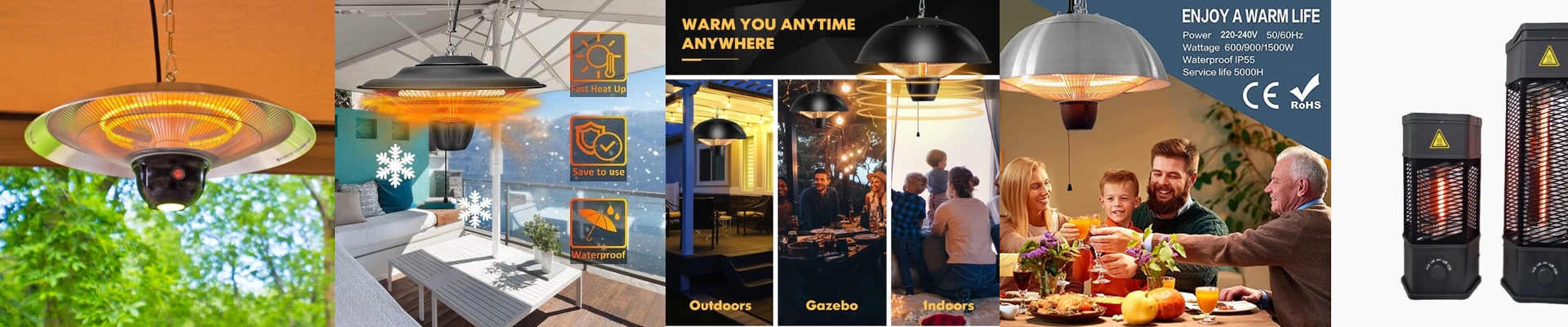

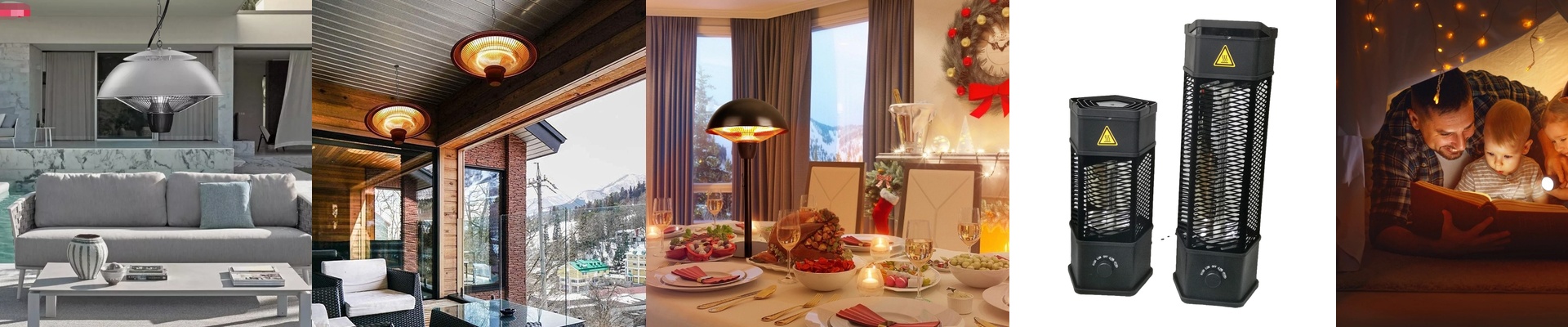
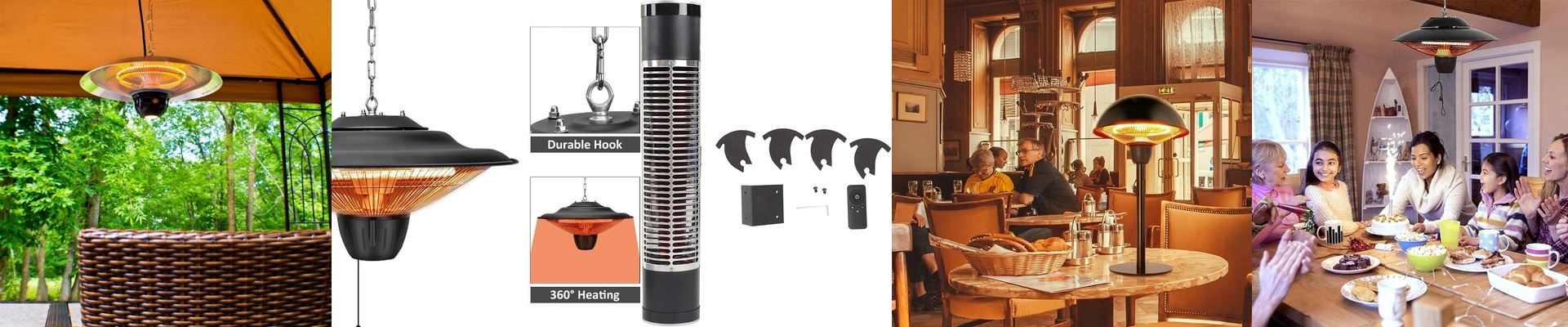


Making Heaters That Actually Survive Your Bathroom
Let’s be honest: bathrooms are a nightmare for electronics. You’ve got thick steam, wild temperature swings, and constant moisture. It’s basically a torture chamber for a heater. Most companies just hope their lamps last. We take a different approach. We try to break them. On purpose. We put them in a controlled chamber and push them until they fail, just so we know exactly where the breaking point is.
The Battle Against Steam
Here is the problem: moisture hates high-wattage quartz lamps. When that thick steam hits a scorching hot lamp, it can create tiny micro-cracks in the glass. But the real killer is the seal. If moisture sneaks into the electrode seals, oxygen gets into the halogen cycle. The result? Your filament burns out in a heartbeat and the whole unit is trash. To stop this, we run “damp-heat” tests. We cycle high heat and heavy humidity over and over. It’s a way to cram years of bathroom showers into a few weeks of testing. We’re looking for any sign of leaks or rust on the pins. If it doesn’t survive the chamber, it doesn’t make it to your ceiling.
Heat, Shock, and Stress
A ceiling heater has one job: get hot, and get hot fast. That rapid jump in temperature puts a ton of physical stress on the seals where the glass meets the metal. In a dry lab, everything looks great. But in a steamy bathroom? That combination of thermal shock and moisture speeds up the decay. We spend a lot of time obsessing over our coatings and sealants. If we see any “clouding” or if a filament snaps too early during a test cycle, we don’t try to fix it. We just scrap the whole batch.
The Reality Check
Now, let’s be real. No seal is going to be 100% waterproof forever. We can push the lifespan of these lamps as far as possible in the factory, but how you install the heater matters just as much. If you mount a unit right next to a high-pressure shower head without a proper waterproof housing, no amount of testing can save it. Water will find a way in. It all comes down to matching the right enclosure with the right lamp. Get that part right, and you’ve got a heater that actually lasts.