


Getting Your IR Heating Right for Silk-Screen Glass Tempering
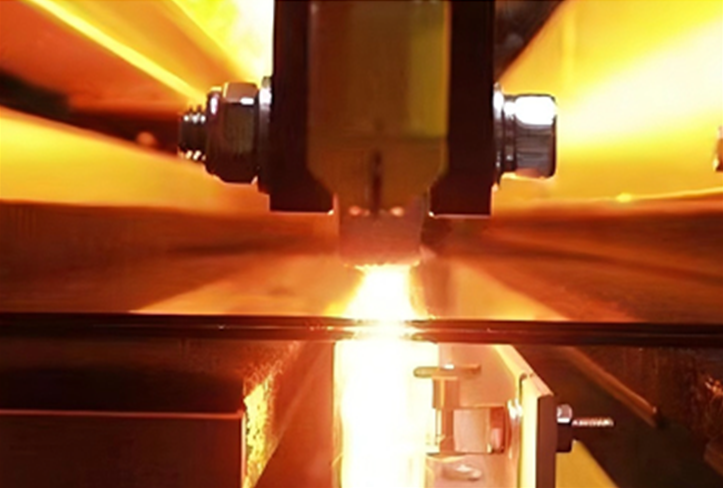
When you’re tempering silk-screened glass, everything comes down to one thing: keeping your patterns sharp. There’s nothing worse than spending hours on a design only to have it blur or bleed the second it hits the heat. To stop that from happening, we use shortwave infrared (IR) quartz lamps. They hit the glass with a quick, intense burst of heat that fuses the ink fast, without messing with the strength of the glass itself.
The Balancing Act
It’s a bit of a tightrope walk. You’re trying to cure the ink without stressing the glass. If those lamps run too hot or stay on too long, your ink starts to “ghost” or bleed. Suddenly, your crisp lines look like a smudge. But if you play it too safe and the heat is too low? You won’t hit the tempering temperature, and you’ll end up with glass that’s way too fragile. That’s why we use quartz tubes with high heat density. They pack a lot of punch into a small space, triggering a fast reaction on the surface before things have a chance to go wrong.
Dealing with Wear and Tear
We stick with high-wattage quartz tubes because they let that shortwave radiation through without wasting energy. But let’s be honest—these things take a beating in a real shop. Eventually, the quartz breaks down or the filament gets thin. When that happens, you get “cold spots.” If you start seeing uneven tempering or your patterns look a bit wonky, it’s usually a sign that it’s time to just swap in a new tube.
The Gritty Details of Installation
You have to be careful with the wiring. These tubes pull a lot of current. If your connectors are loose or have a bit of rust on them, you’ll get arcing. That’ll burn out the ends of your tubes faster than you can blink. And here’s a tip: don’t just crank the heat to max to speed up your line. That puts a massive thermal load on your conveyor supports. Make sure your cooling fans can actually handle the extra heat, or you’ll risk warping the lamp housing. One last thing.**Keep the quartz clean.**Seriously. Even a single fingerprint on the tube can create a hot spot, and that’s a great way to crack your glass mid-cycle.