



Stop Fiddling With Brackets: A Better Way to Handle Infrared Heating
Buying a single medium wave quartz tube is the easy part. The real headache starts when you actually try to get it into your production line. I’ve seen it a hundred times: engineers spending half their week on the shop floor, bending metal brackets by hand, fighting with wiring connectors, and praying the heat distributes evenly. It’s tedious. It’s a waste of talent. That’s why we stopped just selling parts and started building integrated heating modules.
Why Medium Wave Actually Works
If you’re working with plastics, coatings, or adhesives, medium wave infrared (MWIR) is usually your best bet. It hits that sweet spot where the heat sinks deep into the material instead of just scorching the surface. We use high-purity quartz glass to keep the filament safe and the heat moving. But here is the catch: you have to be careful with your voltage and wattage. If you cram a high-wattage tube into a tiny space, you’re creating a heat bomb. If your cooling system can’t handle that jump in temperature, your wiring will fry or your housing will warp. It’s a messy way to find out you underspec’d your cooling.
Stop Building From Scratch
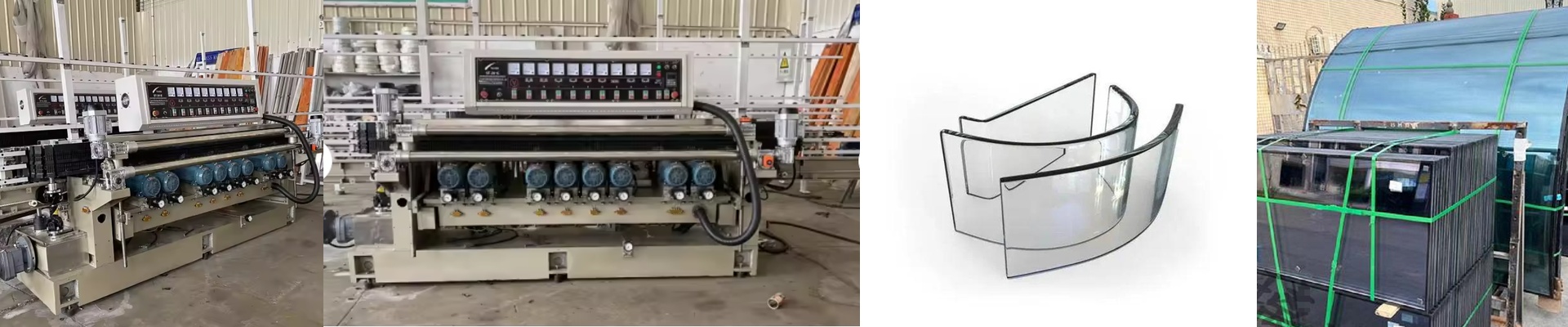
We call our approach “turnkey,” but really, it just means we do the annoying work for you. Trying to curve a quartz tube without stressing the glass is a nightmare. So, we don’t make you do it. We provide the tubes already bent and locked into a rigid frame. It’s a drop-in replacement. You aren’t just getting a lamp in a box; you’re getting a finished piece of hardware. We handle the electrical terminations, so you can just wire it up and get back to actually making things.
Trading “Tweakability” for Time
Using custom modules kills the manual labor. No more spending hours on precision alignment or guessing where a bracket should go. Now, there is a trade-off. Once we bend a module and frame it to your specs, you can’t just “tweak” the shape on the fly with a pair of pliers. You have to get your CAD drawings right the first time. But for anyone running high-volume lines, that’s a fair trade. Saving days of setup time is worth the effort of a precise drawing.