How to Actually Size Infrared Heaters for Bathrooms
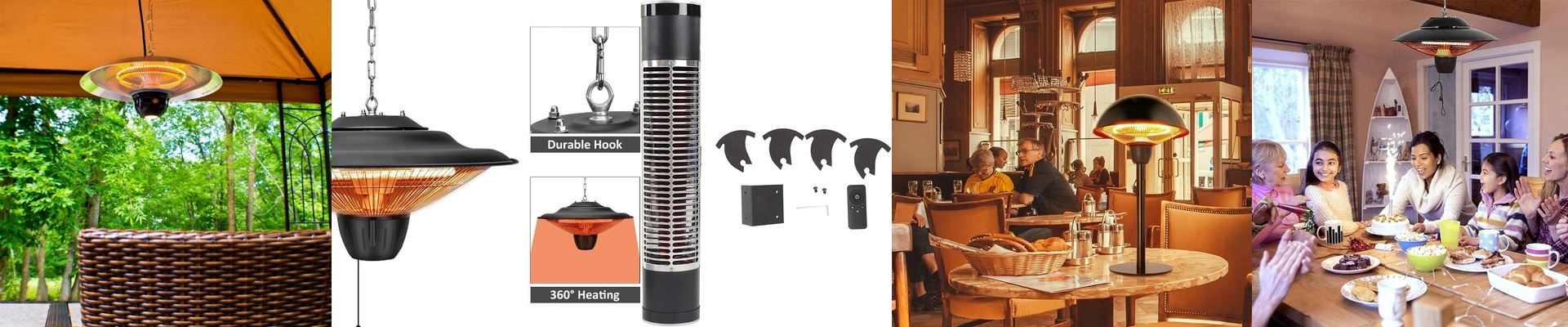
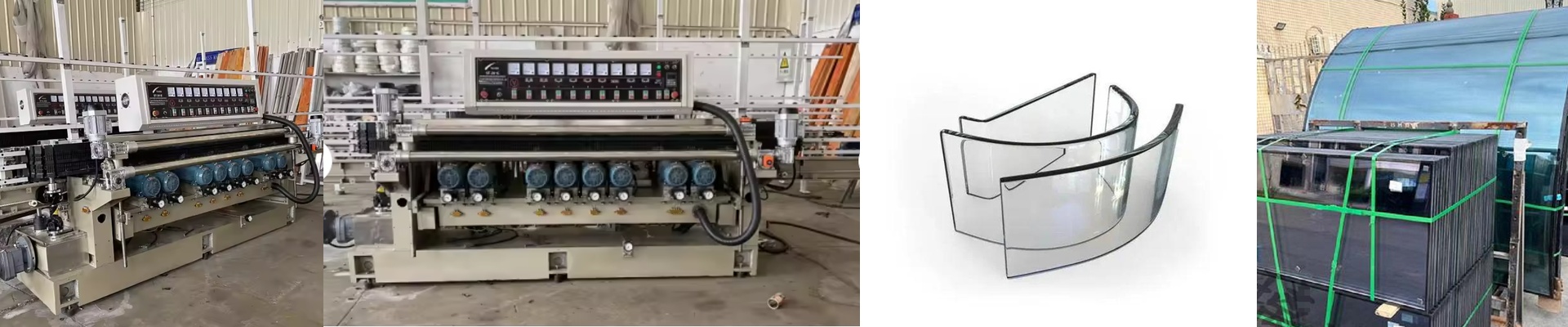
When you’re picking out infrared lamps for a bathroom, it usually comes down to a simple tug-of-war: you want the room to feel cozy, but you don’t want to turn the space into a sauna. Since these are wet zones, we use IP66-rated gear. That’s just a fancy way of saying they’re sealed tight against dust and high-pressure water. It’s great for safety—no short circuits here—but there’s a catch. Because they’re so tightly sealed, the heat gets trapped inside the housing. That makes your choice of wattage a big deal, both for your electric bill and for basic safety. Picking the right wattage Think about the size of the room first. If you’re dealing with a tiny powder room (anything under 4m²), a 400W to 600W shortwave lamp is plenty. These things are fast. They hit you with warmth the second you flip the switch. For those big master baths (around 8m² to 12m²), you’ll need to bump it up to 800W or 1200W. But be careful. If you put a massive heater in a tiny room, you end up with a “hot spot.” It’s that annoying feeling where you have to physically lean away from the heater just to keep from getting burned. On the flip side, if you go too low, the lamp spends all its energy fighting the draft in the room and you’re left shivering. The trade-off with waterproof gear Here is the thing about IP66 protection: it requires thick gaskets and heavy glass. This adds a lot of “thermal mass” to the unit. While the infrared light passes right through the glass to warm you up, the fixture itself stays hot. You’ve got to make sure your wiring can handle that constant load. You don’t want your junction boxes overheating behind the wall. Real-world installation Don’t just look at the numbers on the box. Look at your ceiling. If you mount a 1200W lamp too low, you’re asking for trouble. It can actually scorch your ceiling materials or just feel oppressive to whoever is standing under it. I usually suggest a clearance of at least 2.2 meters for the high-output lamps. If your ceilings are lower than that? Don’t risk the big units. Instead, use a few lower-wattage lamps and spread them out. It distributes the heat more evenly and keeps everything safe.