Built to Survive the Elements: The Truth About Waterproofing Heaters
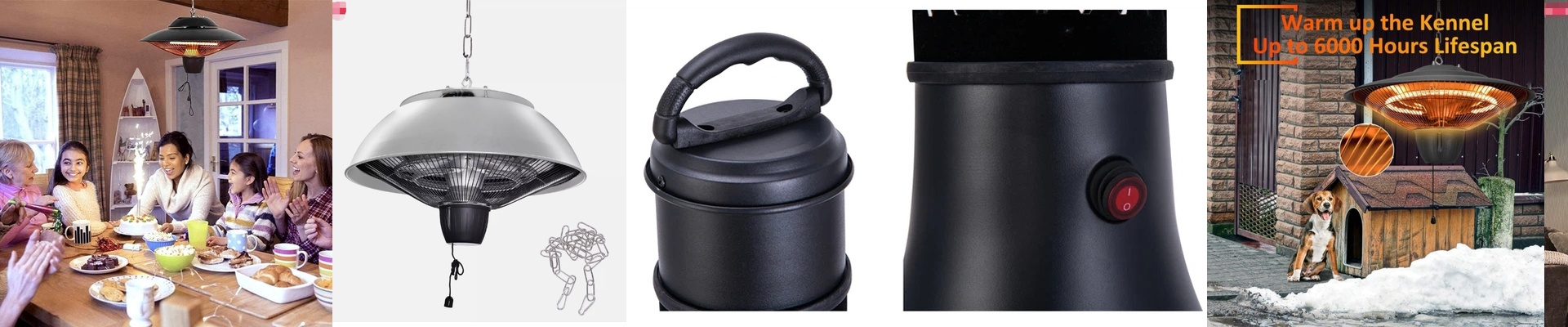
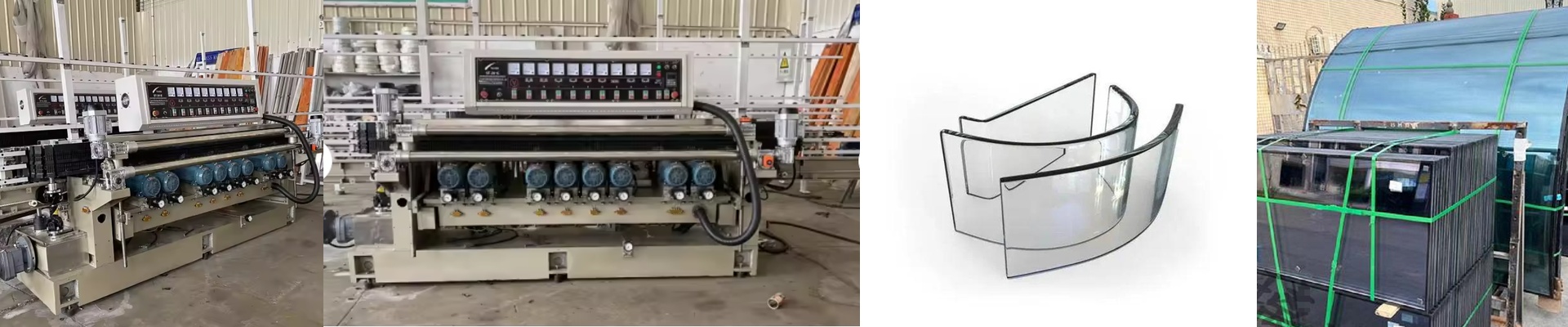
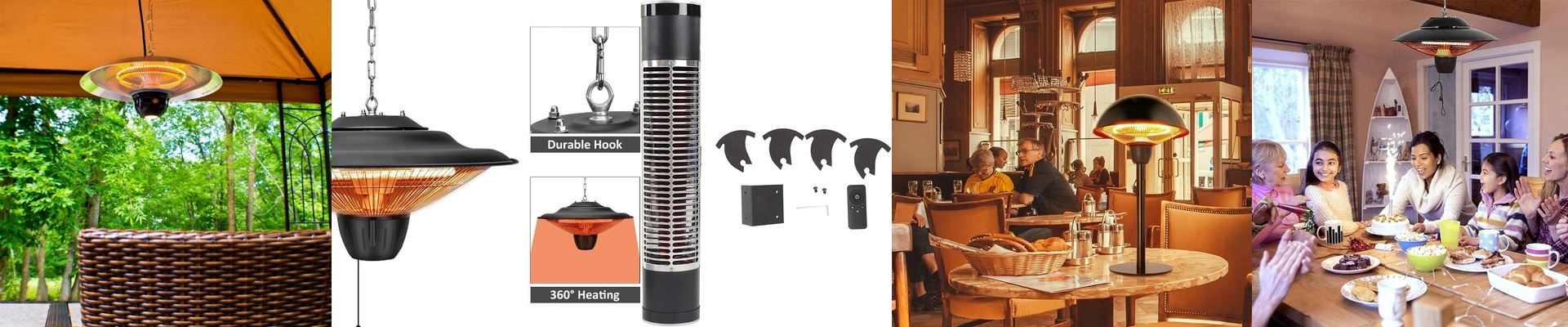
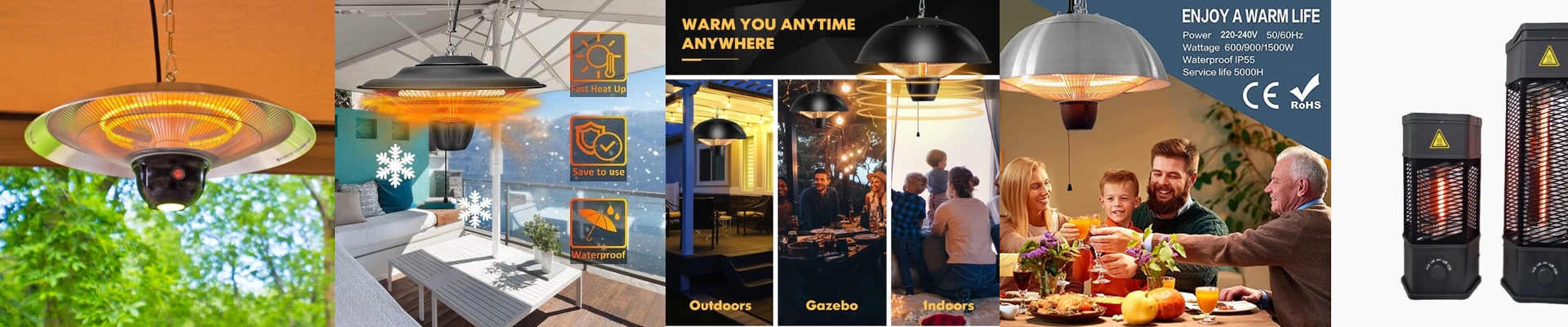
Let’s be honest: outdoor patios and bars are absolute nightmares for heating equipment. Between the salt air, the random rain showers, and those wild temperature swings, most standard infrared lamps just give up the ghost way too early. We got tired of seeing heaters burn out, so we built ours to actually handle the chaos. Stopping the “Pop” Here’s the thing about quartz tubes: they hate water. If a cold raindrop hits a scorching hot tube, you get thermal shock. That’s a fancy way of saying the glass cracks. Not great. To stop that from happening, we designed a housing that basically shoves water away from the electrical bits and the heating element. We added seals to keep droplets from sneaking into the wiring. It means you can deal with a surprise drizzle or a few splashes without the whole thing shorting out. The Hidden Danger: Condensation It’s not just the rain you have to worry about. Humidity is a silent killer. When the unit cools down on a damp night, moisture settles right on the lens. That foggy layer does more than just block the heat—it creates “hotspots” that eat away at the filament. To fix this, we tweaked the airflow and used a special coating that lets moisture slide right off. It keeps the heat clear and stops the glass from getting pitted and ugly. The Balancing Act Now, there’s a catch. If you seal a heater too tightly to keep water out, you trap the heat inside. That’s how you fry your own electronics. We solved this by using oversized heat sinks and vented casings. It lets the unit breathe while still blocking the rain. Just a heads-up: make sure you give the heater some breathing room when you mount it. If you crowd it too much, it’ll run hot, and you’ll end up replacing parts a lot sooner than you want to. We built these things to take a beating. By keeping the electrics dry and stopping that thermal shock, these heaters actually last—even when the weather is doing its worst.