Why We Built Our Heaters to Be Swappable
Let’s be honest: chicken coops are brutal on gear. Between the constant humidity and the thick layers of dust, most heating elements just give up the ghost eventually. It’s almost inevitable. The real nightmare isn’t the heater breaking—it’s trying to fix it.
Stop Tearing Down Your Whole Setup
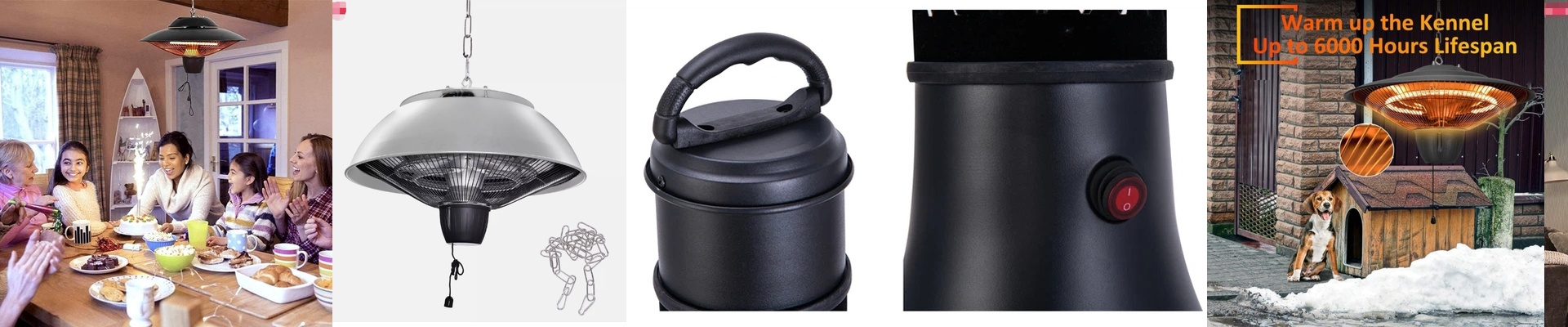
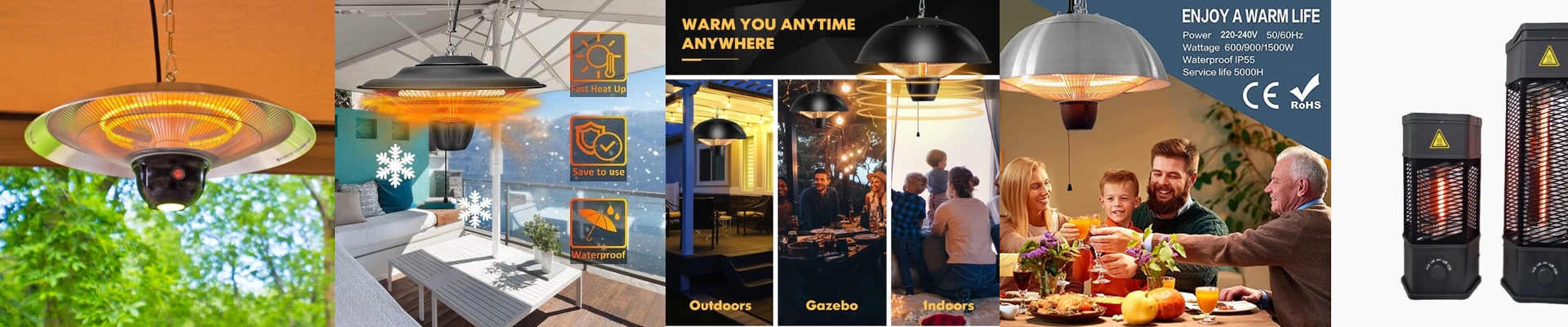
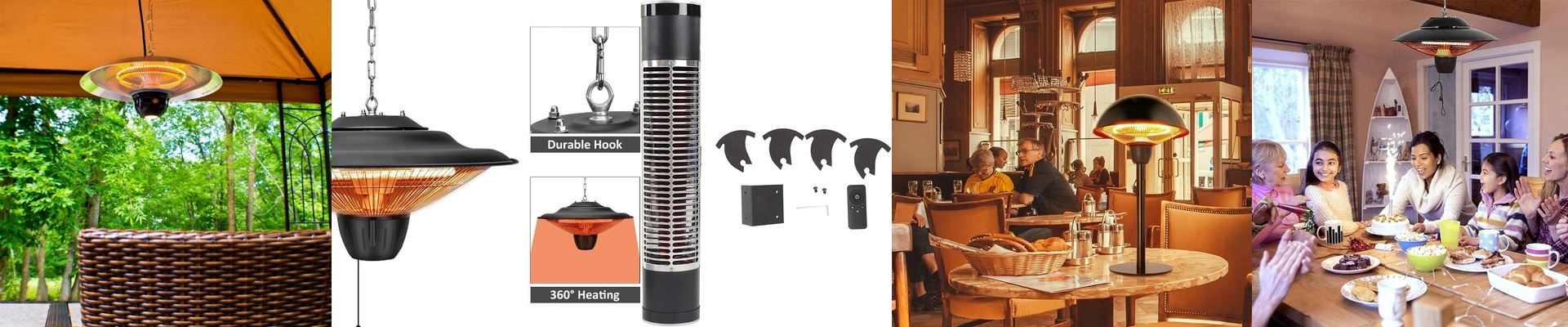
Usually, when a lamp dies in a standard heater, you’re stuck ripping out the entire chassis just to get to the part that broke. It’s a mess. We decided to do things differently. We went with a plug-and-play setup. If a heating tube quits after five years, you don’t throw the whole machine in the scrap heap. You just swap out that one infrared module. No soldering. No confusing rewiring. No spending your entire afternoon swearing at a manual. You pull the dead tube, slide in a new one, and you’re done.Minutes, not hours.
Heating the Birds, Not the Air
Here is the thing about drafty coops: trying to heat the air is a losing battle. You’re just wasting electricity. Our modules use radiant heat. It goes straight to the birds. That’s how you actually keep them warm when the wind is whistling through the walls without your power bill skyrocketing. Now, a quick heads-up. To keep the moisture out, we sealed the housing tight. It works great, but it does trap some heat around the internal wires. Just make sure you leave a bit of breathing room around the unit when you mount it. It needs that space to stay cool during those brutal winter peaks.
Thinking About the Long Haul
Most people don’t think about maintenance until year five, when the bills suddenly spike because everything is breaking at once. By making the components modular, we’ve changed the math. Instead of “buying a new heater,” you’re just “swapping a part.” You keep the expensive housing and the control boards—the stuff that lasts—and you only replace the quartz or halogen elements that naturally wear out. It keeps your costs down and means way less junk heading to the landfill.