


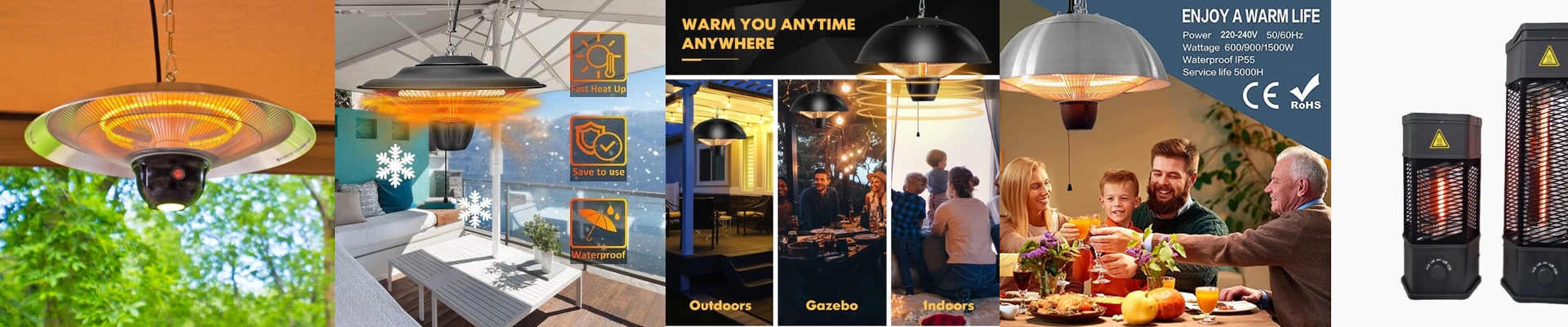


Why we put our pergola heaters through a “humidity hell”
If you’re putting an infrared heater in a pergola or a bathroom, you’re basically asking a piece of electronics to live in a war zone. Between the steam, the sudden temperature swings, and the random splashes of water, it’s a brutal environment. We don’t just slap a “waterproof” label on these things and hope for the best. Instead, we put them through damp-heat aging tests. Basically, we try to break them in the lab so they don’t break in your backyard. The sneaky way moisture gets in Here’s the thing: water vapor is aggressive. When a heater goes from freezing cold to scorching hot in a few seconds, it creates a kind of vacuum. That vacuum literally sucks moist air inside the housing. If a seal isn’t perfect, that moisture hits the electrical terminals. Then comes the oxidation. Then comes the short circuit. To stop that, we lock our units in high-humidity chambers for hundreds of hours. We want to see if the gaskets shrink or crack when they get stressed. If they do, we fix it. Making sure it actually lasts A heater might work great on day one, but what about day ninety? That’s where the real worry is. We keep a close eye on the wiring and the heating elements to make sure the insulation doesn’t degrade. We’re looking for something called “creepage”—which is just a fancy way of saying electricity is starting to leak across a dirty or damp surface. We track the resistance levels the whole time. If those numbers start to dip, the design is a failure. Back to the drawing board it goes. A quick reality check Now, let’s be honest. No seal lasts forever. While we build these things to take a beating, how you install them still matters. If you mount a heater where water pools or in a spot with zero airflow, you’re trapping condensation. That’s going to eat away at the outer casing way faster than it should. We’ve done the hard work to make them survive the damp, but do yourself a favor: make sure your mounting lets the water drain away. Your heater will thank you.