

Getting High Heat into Tiny Spaces for Mobile Glass Repair
When you’re repairing glass on the go, you’re fighting a war against space. You’ve got a tiny footprint to work with, limited voltage, and absolutely zero room for those chunky heating arrays you see in a factory. But the glass doesn’t care about your space constraints—it still needs to hit that transition temperature fast if you want a clean bend or a solid fuse. Here’s how we handle it: we ditch the standard heaters and move to miniaturized, high-watt-density shortwave infrared (SWIR) elements.
Dealing with Power and Tight Squeezes
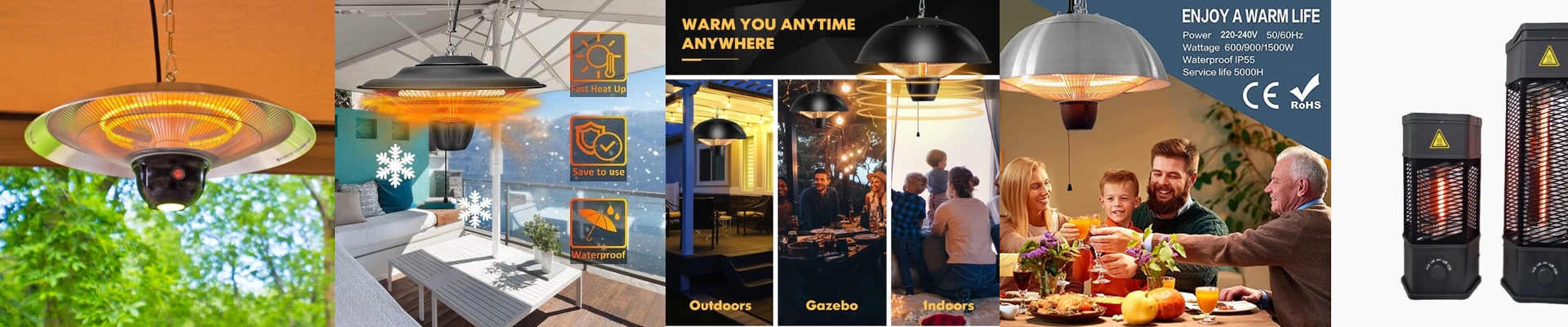
You aren’t plugging into a massive industrial grid in a mobile setup. You’re usually working with onboard power, which means you can’t just crank the dial without risking a blown fuse or needing a transformer the size of a suitcase. To get that thermal punch without the bulk, we use high-intensity quartz halogen tubes. They cram a ton of energy into a very small surface area. It lets us shrink the heating head down significantly while still giving you the raw heat flux you need to actually move the glass.
The Nitty-Gritty on Materials
We use high-purity quartz glass for the tungsten filament. Why? Because if you use cheap stuff, the tube will literally sag when it hits peak temps. We also lean toward shortwave emitters. They’re just faster. They punch through the glass surface way quicker than medium or longwave options do. But you have to be careful with the wattage per centimeter. If you shove too many watts into a short tube, you’re asking for a burnout—especially if your PID controller isn’t dialed in perfectly. I always suggest using a fast-acting SSR (Solid State Relay) to keep things from overshooting and frying your elements.
The Trade-offs
When you shrink everything down, heat builds up fast. And I don’t just mean in the glass. If you pack 1000W into a 200mm space, the surrounding chassis is going to soak up that heat like a sponge. It gets hot. Really hot. If you aren’t using heat-resistant mounts or some kind of active cooling on the structural supports, your frame is probably going to warp. One last tip: use high-temp silicone leads for your wiring. Trust me, you don’t want to find out the hard way that your insulation melted during a long repair cycle.