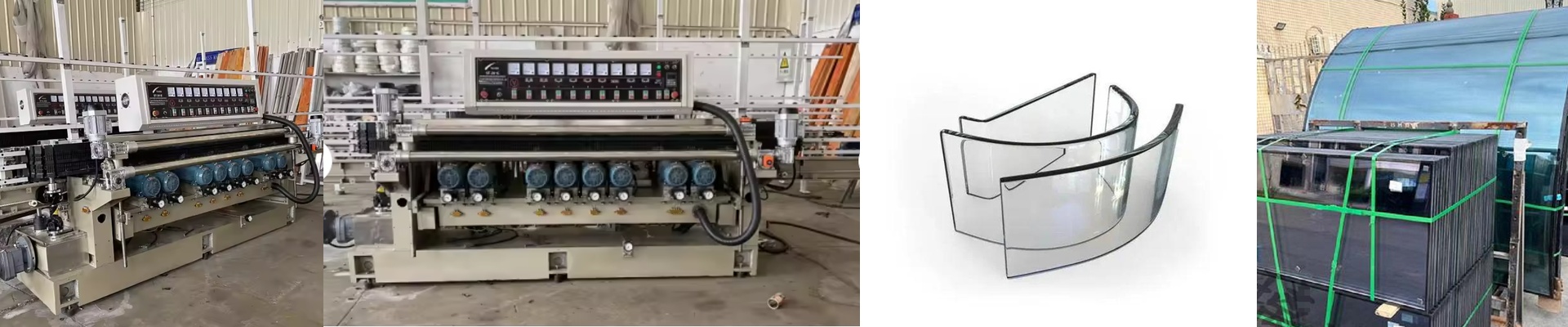
Stopping Glass Edge-Chipping with Infrared Lamps
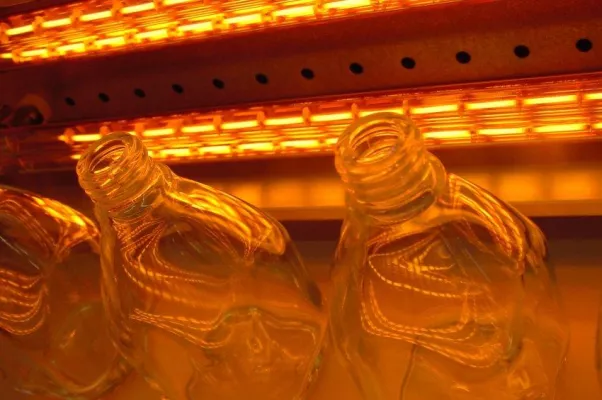
Cutting glass can feel like a constant fight against the material itself. You’ve probably seen it: you hit a cold sheet with the cutting wheel, and instead of a clean snap, you get those annoying “chips” or blowouts along the edge. It’s frustrating, it wastes material, and it looks sloppy. The trick to fixing this is a bit of heat. Specifically, infrared (IR) preheating. Why the heat helps Think of cold glass as being “tense.” When you score it, that tension makes the glass want to fracture in directions you didn’t intend. By hitting the surface with IR radiation right before the cut, you’re basically telling the glass to relax. It softens the molecular tension. So, when the cutting head finally hits, the glass follows the score line exactly. You get a smooth, clean edge. No more erratic cracking. Picking the right lamps Not all heat is the same. We usually go with short-wave IR lamps. Why? Because they penetrate the surface fast. When your glass is moving on a conveyor, you don’t have minutes to warm it up—you have seconds. High-wattage quartz lamps are the way to go if you want a fast ramp-up. But here’s the catch: these things getstunningly hot. If you aren’t careful, that heat will warp your aluminum frames or fry your sensors. You can’t just plug them in and forget about them; you need a solid cooling system for the housings, or you’ll end up burning out your own equipment. Setting it up on the floor Usually, we set these lamps up in banks right in front of the cutting head. The real art is in the calibration. You have to find that “Goldilocks” zone for the distance between the lamp and the glass. If it’s too cold, you’re still dealing with chips. Too hot, and you risk thermal shock or actually distorting the glass. Once you nail the wattage and the conveyor speed, it just works. Your yield goes up, and you stop stressing over every single cut.