The Headache of Cold Spots in Glass Tunnel Kilns (And How We Fix It)
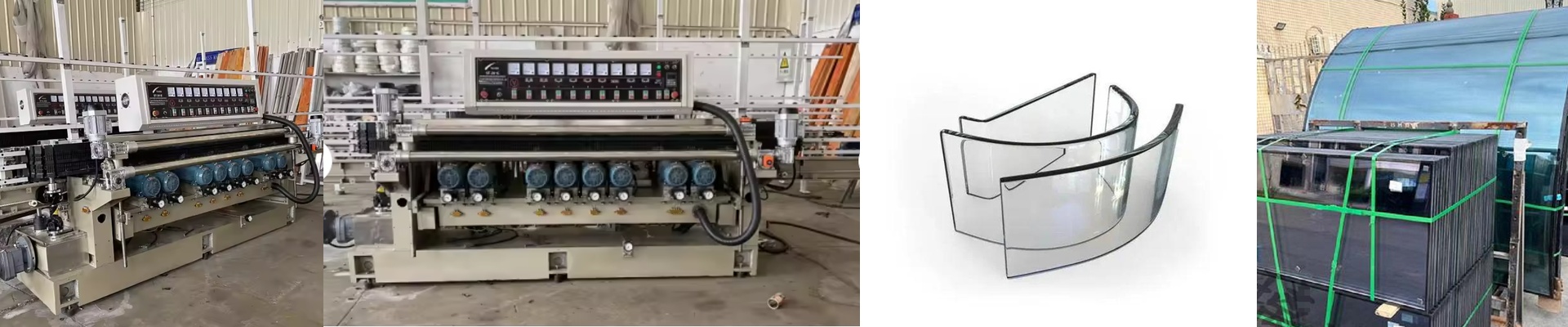
Most infrared lamps top out at about a meter. If you’re running a long glass tunnel kiln, that’s a problem. Why? Because you end up with all these little gaps at the joints. Those gaps turn into cold spots, and in your line of work, a cold spot is just another word for a defect. To get around this, we build custom Quartz heating units that stretch past 2 meters. The tricky part about long tubes You can’t just stretch a filament and call it a day. If you do, the tube will either sag in the middle or just burn itself out. We spend a lot of time dialing in the voltage and wattage. Usually, we bump up the voltage to keep the heat steady from one end to the other. Just a heads-up: you’ll want to make sure your power supply can actually handle the load. If it can’t, you’ll see a voltage drop at the far end, and you’re right back where you started. Getting the heat right We use high-purity quartz because it can take the thermal shock without cracking. When we lay these out in the kiln, we make sure the filaments overlap. This stops the “zebra effect”—those annoying alternating stripes of hot and cold on the glass surface. We want a smooth, even glow. Since these units are huge, they’re a bit fragile. We’ve added reinforced end-caps and beefy connectors so you don’t accidentally snap something while you’re wiring them up. The trade-off Here is the honest truth: there’s a give and take here. On the plus side, you have way fewer electrical connections. Fewer wires mean fewer things that can break or short out. But, a 2-meter tube is a beast to replace compared to a small 500mm one. If one filament goes, you’re swapping out a massive section of the kiln. One last thing—don’t forget your mounting brackets. Give the tubes plenty of room to breathe and expand as they heat up. If they’re clamped too tight, they’ll stress and crack. Simple as that.