Getting Silk-Screen Tempering Right with Medium-Wave IR
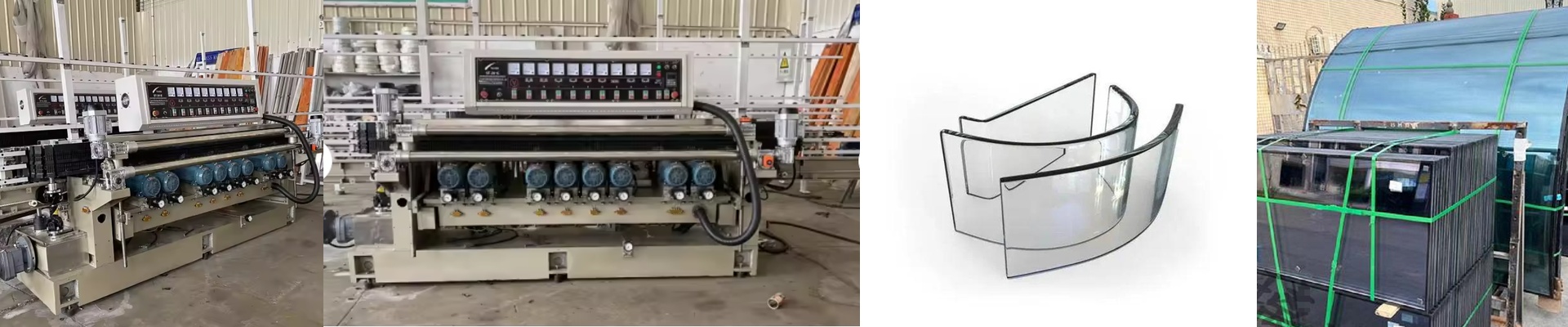
Trying to temper and cure silk-screened glass in one go is a bit of a balancing act. You need a very specific heat gradient. If you blast the glass too hard and too fast, you’ll end up blurring your ink patterns or creating internal stress. But if you’re too timid with the heat? The glass never actually reaches tempering temperature. That’s where medium-wave infrared (MWIR) lamps come in. They hit that sweet spot. The wavelength is just right to soak through the ink and heat the glass underneath without scorching the surface. Keeping your patterns sharp Short-wave heaters are often too aggressive. They hit the surface like a hammer, which is a great way to make your ink bubble or bleed. Medium-wave is different. It plays nice with both the glass and the inks. The heat actually sinks in. You get a much more even temperature across the whole pane. No more “hot spots” causing those annoying optical distortions in your print. It just looks cleaner. Finding the right rhythm To get both strength and clarity, you’ve got to nail the wattage per linear inch. High-density MWIR lamps can ramp up the heat quickly, but you have to time your conveyor speed perfectly. If the line crawls, your ink degrades. If it flies, the core of the glass stays too cool and you’ll fail your fragmentation test. It’s all about the timing. The real-world trade-offs Look, there’s no magic button here. If you crank up the lamp power to push more glass through the line, you’re putting more stress on your electrical panels. Plus, the area around the machine gets hot—really hot. Make sure your cooling fans can actually handle the load, or you’ll be replacing burnt-out lamp sockets more often than you’d like. My best advice? Keep a pyrometer handy. Monitor the surface temp until you find that exact window where the ink cures and the glass tempers perfectly. Once you find it, stay there.