
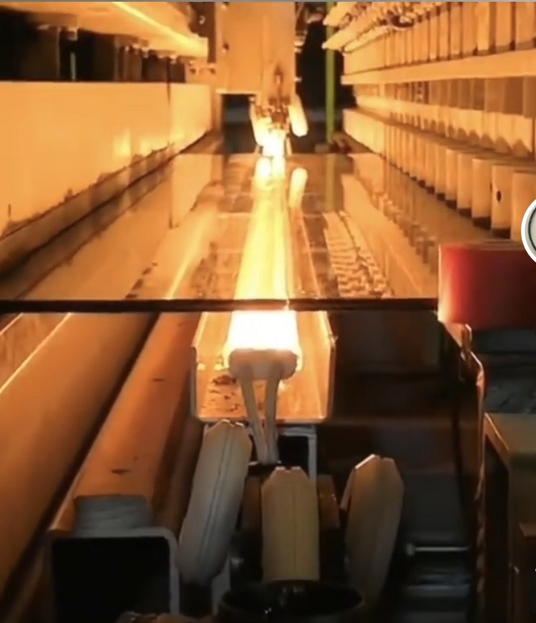
Stop Wasting Power on Your Glass Annealing
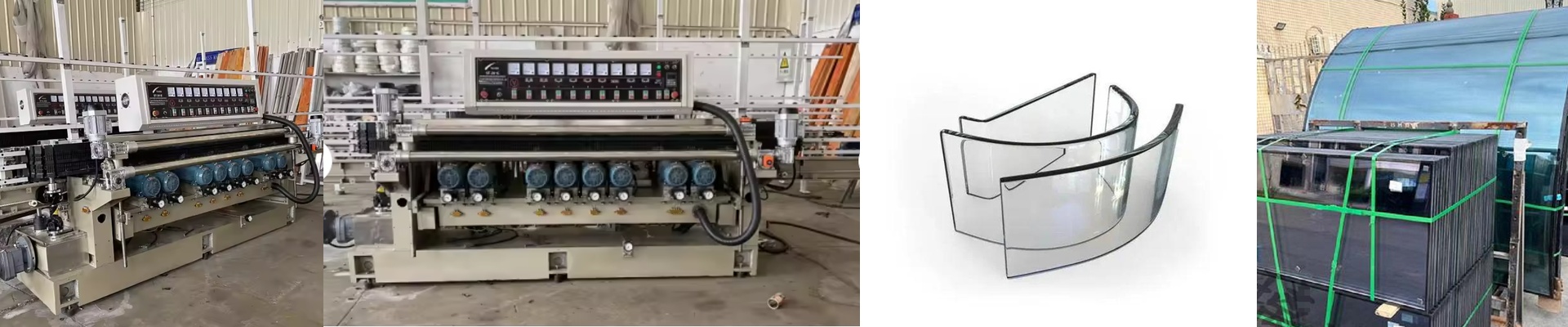
Let’s be honest: annealing is usually the biggest energy hog in the entire production line. If you’re using traditional resistive heating, you’re basically paying to heat up a giant box of air just to get your glass to the right temperature. It’s wasteful. That’s why we use shortwave infrared (IR) lamps. Instead of warming the room, they hit the glass directly. It speeds up the heat-up time and, more importantly, knocks a decent chunk off your yearly electric bill. Why IR actually works Most ovens rely on convection, which is slow. Shortwave IR is a different beast. It sends radiation straight into the glass, vibrating the molecular structure to create heat from the inside out. You aren’t fighting to keep a massive oven cavity at a specific set point. You’re just heating the part. Simple as that. Less wasted energy means fewer kilowatt-hours per piece. Picking the right gear When we’re picking out lamps, we keep it practical. We make sure the wattage and voltage line up with what you already have. Nobody wants to spend a fortune on new transformers just to get a lamp running. We go with high-wattage quartz tubes because you need that punch to get temperatures ramping up quickly. Plus, we use halogen-filled tubes. They last a lot longer, so you aren’t constantly climbing ladders to replace filaments that burnt out too soon. The reality of installation The good news? These are mostly drop-in replacements. They fit right into most industrial oven racks and use standard connectors, so the wiring is a breeze. But there is a catch. Because shortwave IR is so intense, you have to watch out for thermal shock. If you slam the heat on too fast, your glass will crack. It’s a balancing act. You’ll need to tweak your conveyor speed and the distance of the lamps to make sure you’re moving fast without breaking things. Once you dial it in, your thermal window gets much tighter. You get a more consistent finish, and your power meter stops spinning so fast.