Making Your Outdoor Heaters Actually Smart
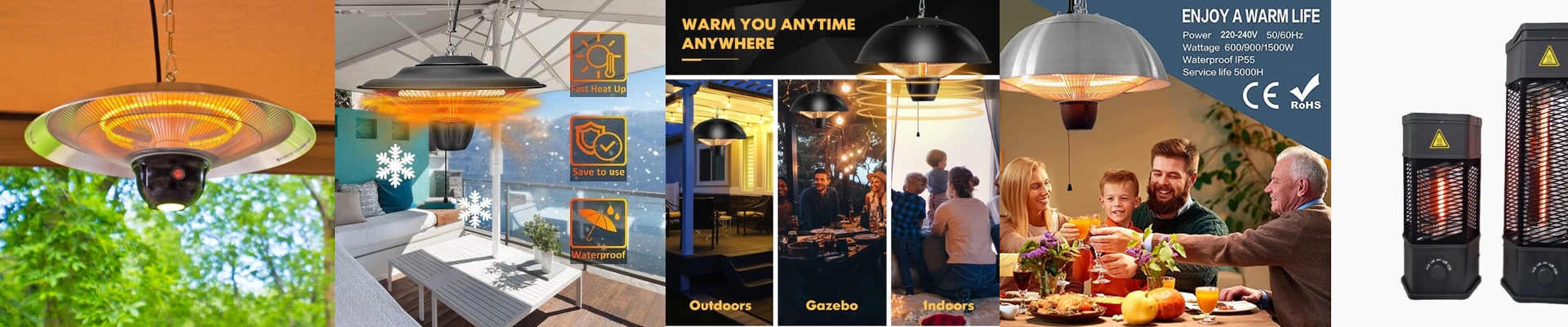
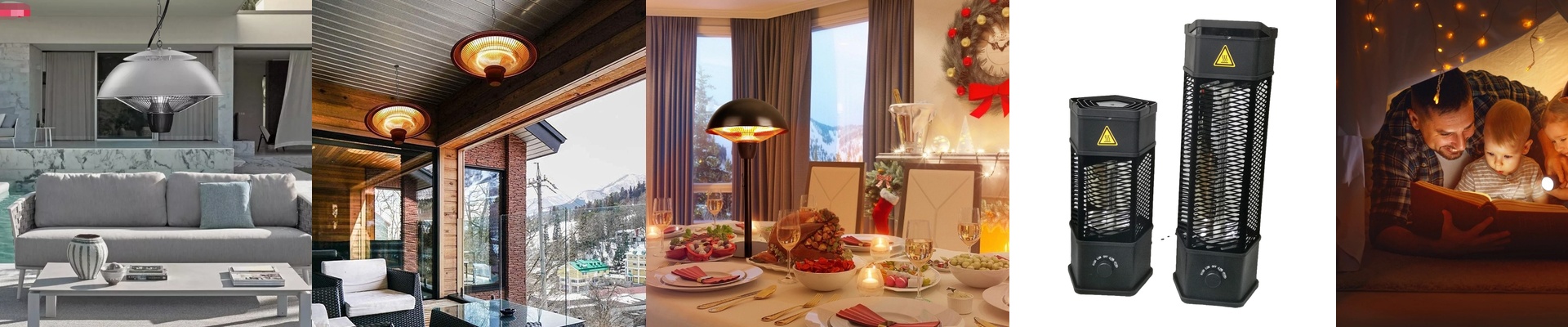
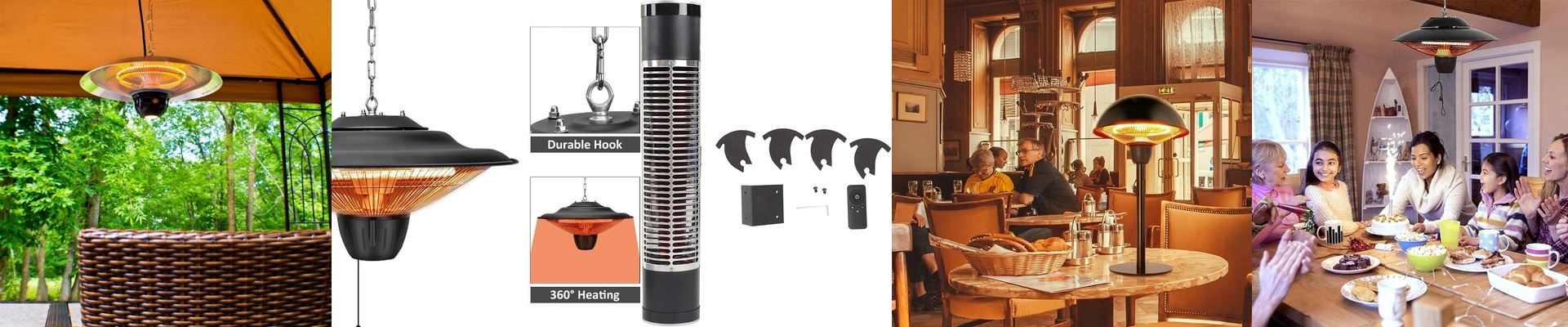
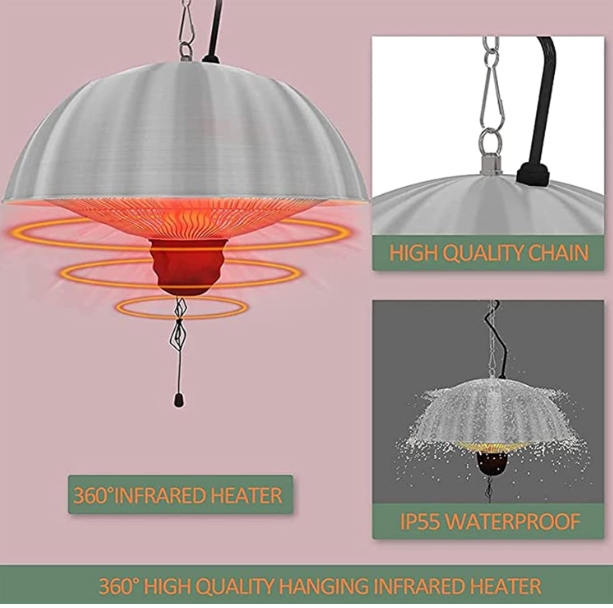
Ever notice how some patio heaters just feel like they’re fighting the wind? That’s because most heaters try to warm the air. Infrared is different. It hits you and your furniture directly. It’s that immediate, cozy feeling of sitting in the sun on a chilly day. Since these live outside, you’ve got to look for an IP55 rating. In plain English? It means the guts of the machine won’t fry the first time it rains or get clogged with dust.
The Hardware Part (Don’t Skip This)
Here is the thing: you can’t just plug a heavy-duty infrared heater into a cheap smart plug you bought online. Please don’t do that. A 2000W heater will melt a cheap plug in no time, and that’s how you start a fire. To do this right, we use heavy-duty smart relays or contactors. Think of these as the “middleman.” They take the tiny, low-voltage signal from your phone or hub and use it to flip a big, beefy switch that can actually handle the power the heater needs.
That “Instant Spring” Feeling
The best part about infrared is how fast it works. There’s no waiting for a coil to warm up or a fan to kick in. The second that relay clicks, you feel the heat. We love setting these up with a few sensors. For example, you can set a rule: if it’s colder than 10°C and someone actually walks onto the terrace, the heat kicks in automatically. It feels like magic to the person stepping outside. They just get warmth. Meanwhile, the system is doing the heavy lifting in the background to make sure you don’t trip your circuit breaker.
A Few Real-World Headaches
It’s not all plug-and-play. Adding “smarts” means you’re now running two different types of wires—high-voltage power and low-voltage data. It gets messy. And if you’re doing this for a big commercial space, distance is your enemy. If the heater is too far from the hub, the signal drops and your “smart” heater becomes a very expensive paperweight. If that’s the case, stick with a mesh network like Zigbee or Matter. It keeps everything connected without that annoying lag.