Stop Losing Your Patio Guests the Moment it Gets Cold
It’s a nightmare for any restaurant owner. The temperature drops a few degrees, and suddenly half your outdoor seats are empty. You’re basically paying rent for a ghost town. Most people try to fix this with standard heaters that just blow hot air. The problem? That air just floats away the second a breeze hits. It’s a waste of money. That’s why we use 1500W shortwave infrared heaters. Instead of trying to heat the entire outdoors—which is impossible—these units heat the people.
Getting the Warmth Right
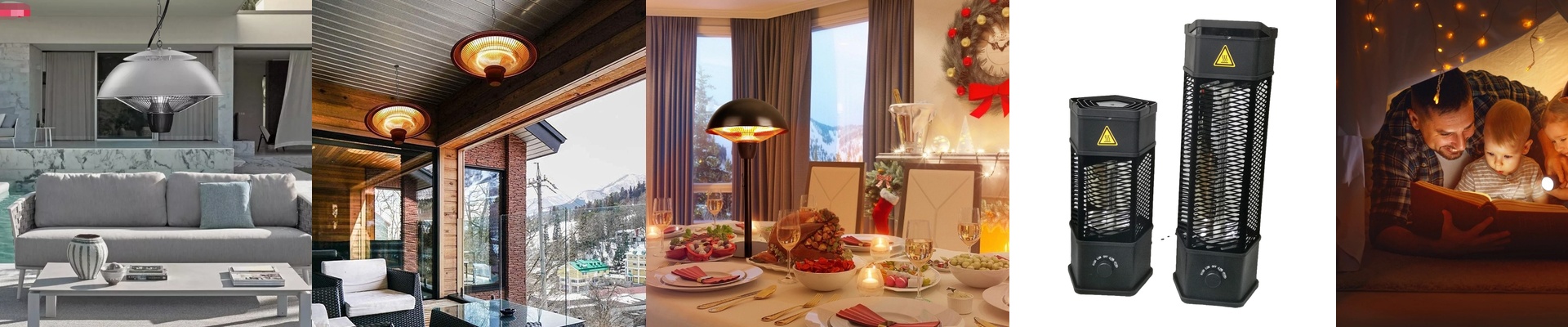
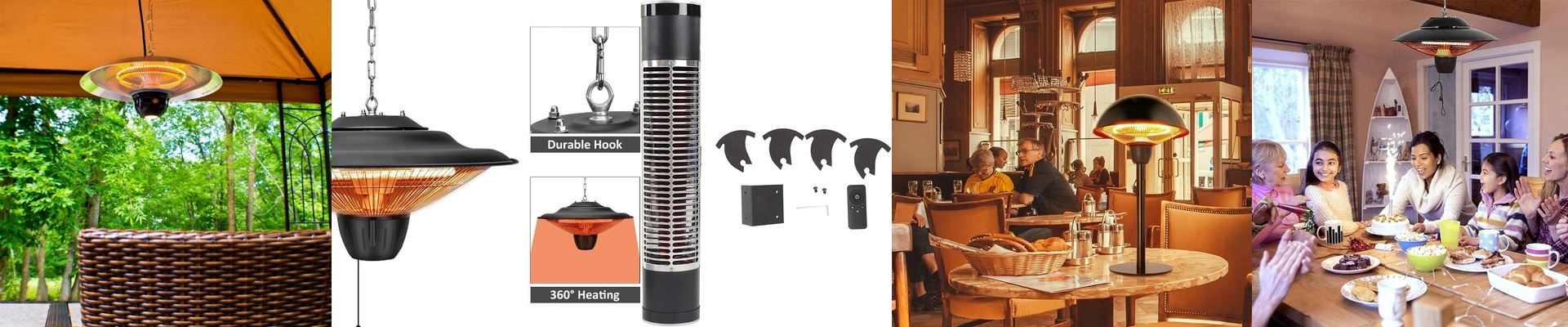
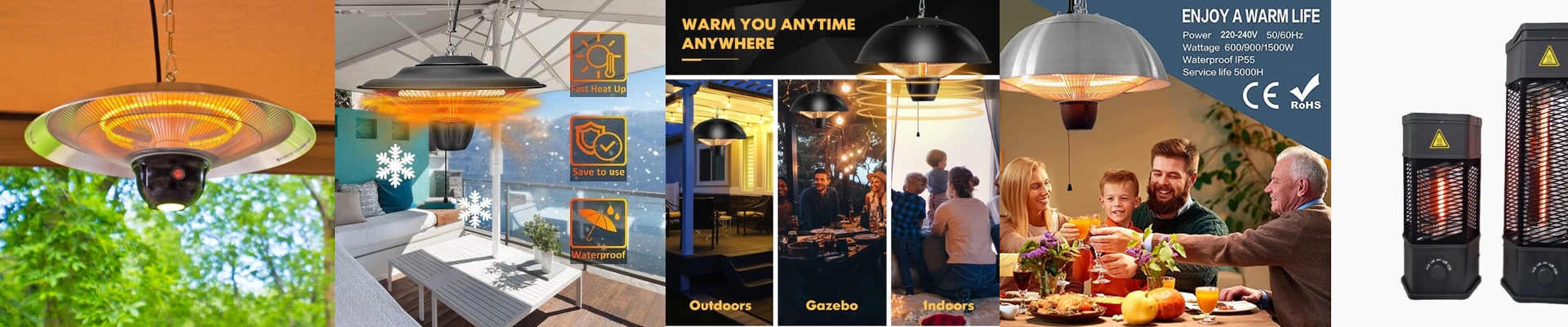
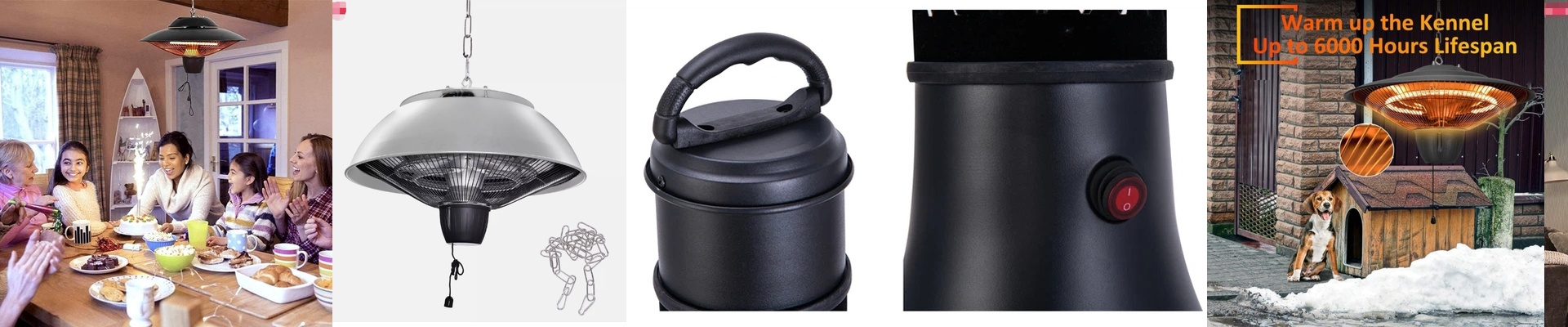
Think of it like the sun. You feel the warmth on your skin even if the air is crisp. We mount these on the ceiling, usually about 2.5 to 3 meters up. This creates a “cone of heat” that hits your guests right on the shoulders and head. When people feel that warmth, they relax. They stay for another drink. They order dessert. It’s simple:warm guests stay longer, and longer stays mean bigger checks.
Built for the Real World
We use quartz elements because nobody wants to wait twenty minutes for a heater to “warm up.” These things are instant. You flip the switch, and it’s hot. Right now. Plus, outdoor gear takes a beating. Rain, humidity, freezing nights—it all adds up. These housings are built tough to handle the weather. And since they’re on the ceiling, you don’t have to worry about clumsy servers tripping over a portable heater or cords running across the floor.
A Quick Warning on Power
Here is the catch. These units pull a lot of power. You can’t just plug five of these into one outlet and hope for the best. If you do, you’re going to trip your breaker in the middle of a dinner rush. You’ll need to check your electrical panel to make sure it can handle the load. We always suggest setting up dedicated circuits for different zones. It’s a bit more work upfront, but it beats having your lights flicker or your POS system crash right when you’re busiest. It turns your seasonal patio into a spot that makes money all year round. You get the guests back in their seats, and the heat actually stays where it belongs.