
Getting Your High-Ceiling Shop Warm (Without Wasting Energy)
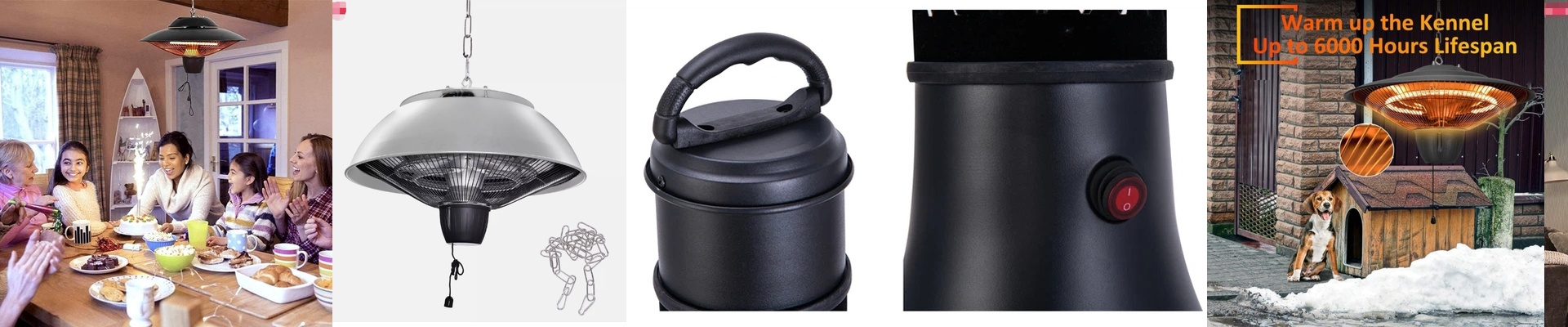
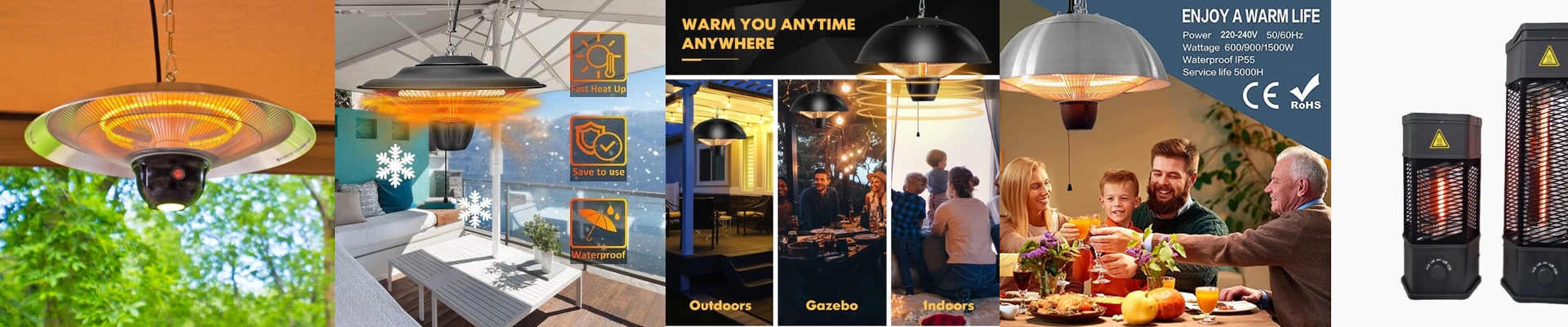
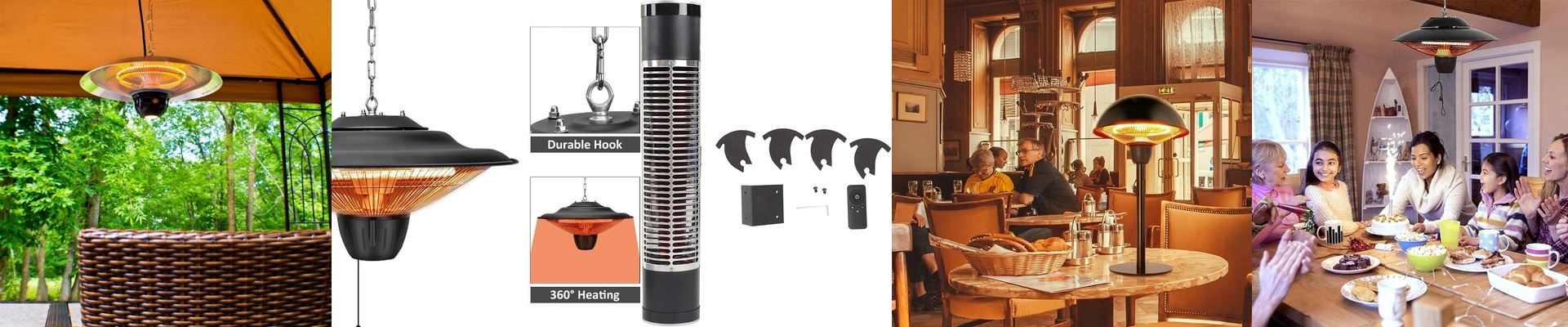
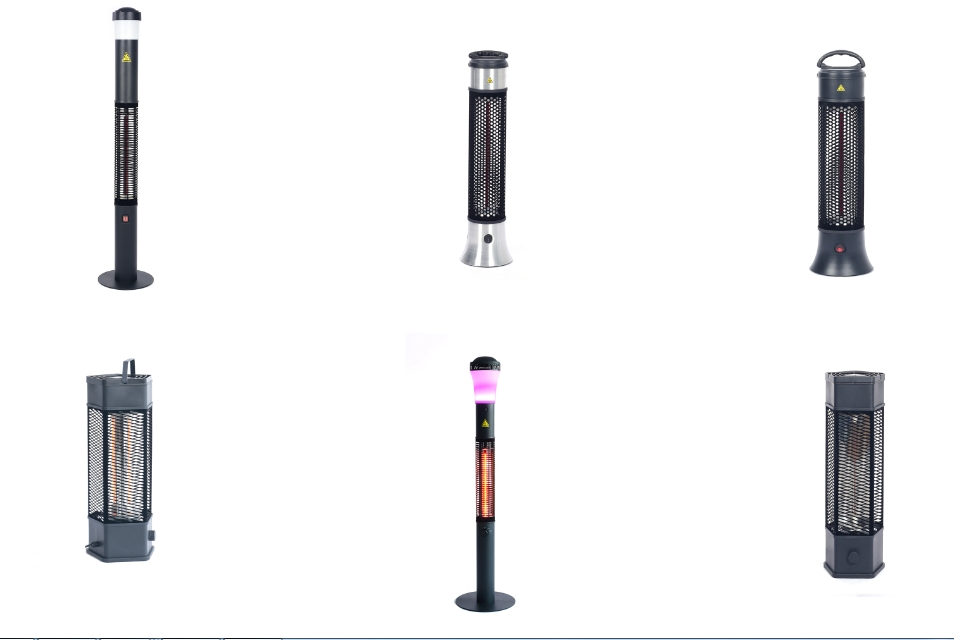
If you’ve ever worked in a warehouse with 30-foot ceilings, you know the struggle. You crank the heat, but all that warmth just floats up to the rafters, leaving you shivering on the concrete floor. It’s a losing battle. The trick is to stop trying to heat the air. Instead, we use infrared (IR) radiators. Think of it like the sun. The air around you can be freezing, but the moment you step into a sunbeam, you feel that warmth hit your skin. That’s exactly how these heaters work—they beam heat straight down to the people and the equipment, skipping the empty air entirely. And when you hook these up to a smart control system? You can turn a freezing cold bay into a comfortable workspace before you’ve even finished your first cup of coffee. How the heat actually works Most heaters take forever to warm up because they have to heat up a room’s worth of air first. Not these. IR heaters use electromagnetic radiation. When you hit a button on your phone or a control panel, the elements get hot in seconds. We use high-wattage setups specifically designed to punch through the distance. Even if your ceiling is 12 meters high, the heat still reaches the floor with plenty of kick. Making it “Smart” The “magic” of a one-click system isn’t actually that complicated, but it does require the right parts. You aren’t just sending a tiny signal to a massive heater; you’re using a smart bridge or a PLC to trigger a heavy-duty relay. We usually set this up using an IoT gateway with Zigbee or Modbus. This is where it gets useful. You can set a schedule so the heat is on by 7 AM, or link the heaters to a temperature sensor. If the shop floor dips below 10°C, the heaters just kick in on their own. No one has to go hunting for a switch in the cold. A few things to watch out for It’s not all plug-and-play. Adding smart controls means your wiring has to be spot on. Industrial heaters pull a lot of power the second they turn on. If your relays aren’t rated for that “inrush current,” you’ll burn through your contacts pretty quickly. Also, keep in mind that these systems are usually binary—they’re either on or off. There’s no “slow simmer” here. It’s an instant blast of heat. Because of that, you’ll want to be careful with where you place your sensors. Otherwise, you might accidentally turn your workstation into a sauna once that “instant spring” effect hits.