


Stop Fighting With Your Infrared Radiators
If you’re using fast-response infrared radiators, you already know the magic is in the low-thermal-mass filaments. They hit those target temperatures in seconds. It’s great—until you try to actually upgrade the lamps. That’s when the real headache starts. It’s rarely about the wattage. It’s the physical fit.
The “Will It Actually Fit?” Problem
Walk into almost any factory and you’ll find a mess of legacy systems. You’ve got screw-in heads here, spiral terminals there, and some weird proprietary connectors that look like they were designed forty years ago. We got tired of seeing people rip apart their entire control cabinets or spend hours drilling new mounting holes just to get a faster heater running. So, we decided to fix the interface. We make drop-in replacements for the usual suspects—R7s, SK15, and a bunch of custom molds. The goal is simple: it should just slide in. No adapter plates, no “making it work,” just a perfect match for the hardware you already own.
Heat, Metal, and Minutes
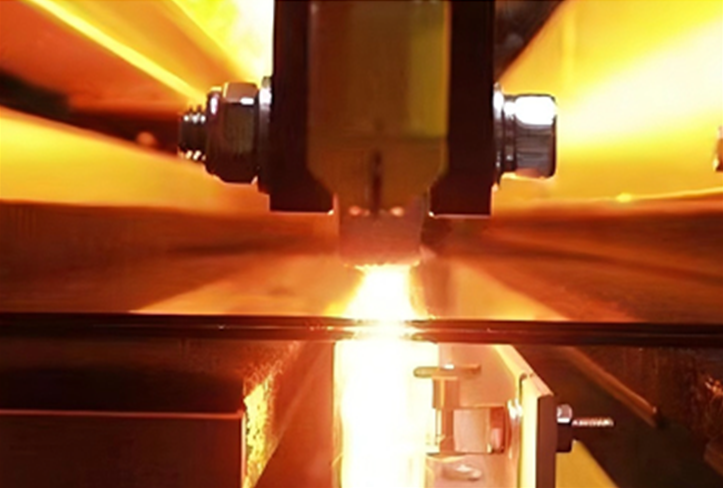
To get those lightning-fast ramp-up times, you need a very specific filament shape and a precise thickness of quartz glass. But there’s a catch. All that heat density puts a massive amount of stress on the connector contacts. If you use cheap materials, the terminals oxidize or just burn out. We use high-temperature alloys because we don’t want you replacing your connectors every few months. The best part? You can have these wired up in minutes. Since the specs are already matched to your machine, you can stop guessing and just get back to work.
A Few Things to Keep in Mind
Now, I won’t tell you it’s magic. There are a few things you need to watch out for. If you’re swapping an old lamp for a higher-wattage fast-response version using the same footprint, you’re pushing more current through that same contact point. Check your wiring gauge. If your leads are too thin, you’ll get a voltage drop, and your heating efficiency will tank. It’s a simple fix, but it’s easy to overlook. Just keep your connections tight and make sure your cooling fans are humming along to keep the heat from soaking into the interface.