

Why Some Ceramic Heaters Just Work Better Than Others
Here is the thing about buying ceramic infrared heaters in bulk: most suppliers will tell you the exact same thing. Same wattage. Same voltage. Everything looks identical on the spec sheet. But once you actually get them on the shop floor? That’s when the cracks show. You’ll find two lamps with the same “specs” that perform completely differently. It usually comes down to two things: how fast they heat up and how evenly they spread that heat.
The “Wait Time” Problem
We all want the heaters to hit their set point fast. When the temperature climbs quickly, your cycle times drop. Everything moves smoother. If your heaters are sluggish, you’re basically burning money and slowing down your entire line. Usually, this happens because the internal emissivity is off or the ceramic density isn’t where it needs to be. It’s a frustrating lag that kills productivity.
Dealing with Hot Spots
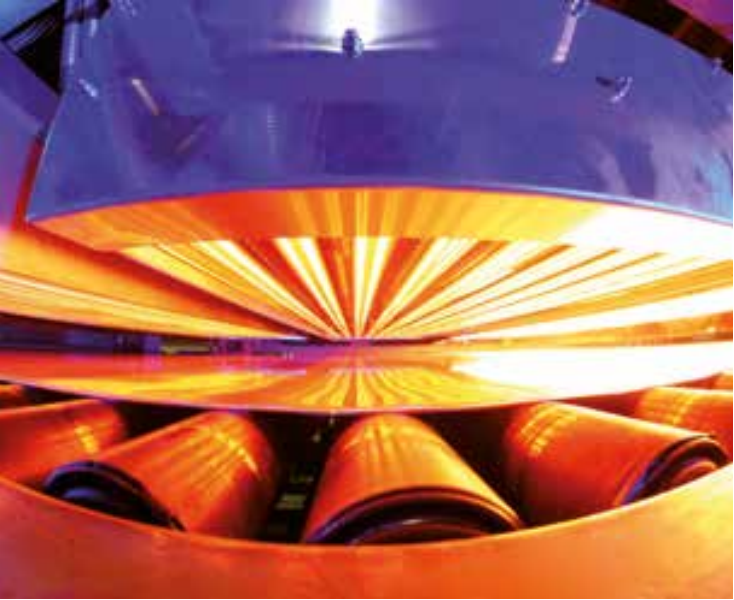
This is where most bulk heaters really let you down. You’ve probably seen it—the center is scorching, but the edges are barely warm. It’s annoying, and in precision work, it’s a disaster. A tiny 10°C difference can be enough to ruin a part. Most of the time, this is just sloppy manufacturing. Either the heating coil isn’t spaced right, or the ceramic glaze was applied unevenly. We spend a lot of time obsessing over the winding process because the heat needs to hit the entire surface, not just a few random spots.
The Balancing Act
Now, you might think “more power is always better.” Not exactly. High-density heaters pack a punch, but they can be hard on your controllers. If you push the ramp-up too aggressively, you risk thermal shock. You have to find that sweet spot between raw power and what your materials can actually handle without cracking. If you’re using Henruite lamps right now, we’ve got a better way to settle the debate than arguing over spec sheets. Let’s just do a side-by-side test. Put our tubes next to yours and look at the heat map. The data doesn’t lie.