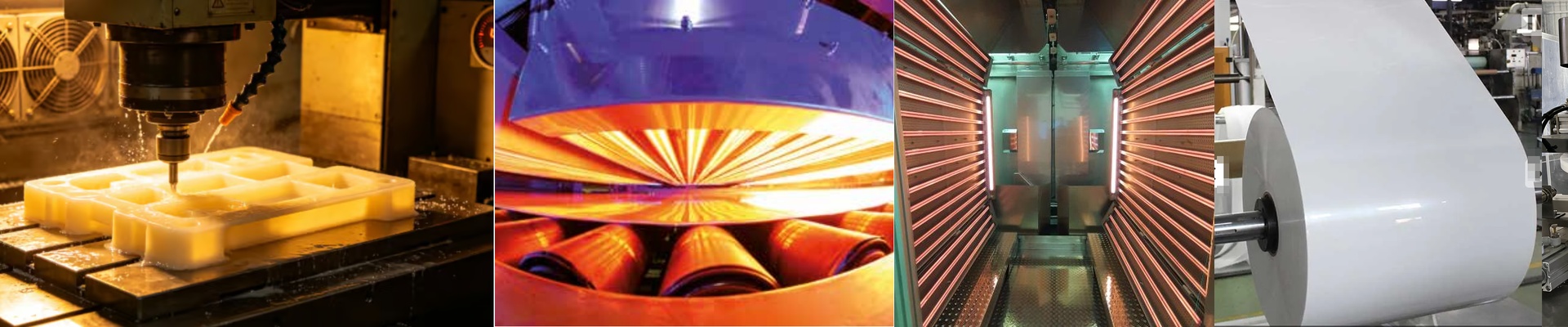

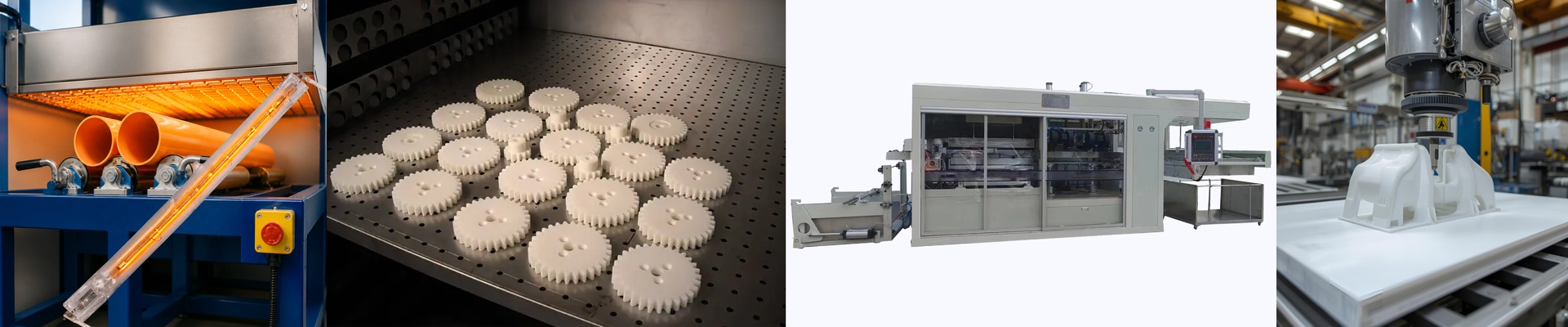

Can a simple swap actually cut your power bills by 20%?
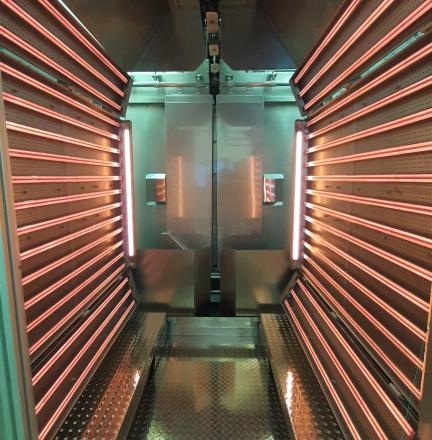
If you’re running an older plastic processing line, you probably have those aging heating tunnels. You know the ones—they’re basically giant energy leaks. When I look at these old setups, the problem usually isn’t the tunnel itself. It’s the heating elements inside. They’re tired. Replacing those clunky resistive heaters or cheap lamps with high-emissivity ceramic infrared (IR) elements can slash your electricity bill by 20% or even more. Here’s the thing about how this works. Most old heaters just warm up the air, and then the air has to warm up the plastic. It’s slow. It’s wasteful. It feels like trying to heat a house by opening the oven door. Ceramic IR is different. It sends radiant energy straight into the workpiece. We use ceramic because it doesn’t crack under pressure and spreads the heat evenly across the whole conveyor. Since you’re hitting the plastic directly—instead of fighting the air—you don’t have to wait forever for things to warm up, and you stop bleeding energy into the room. Now, is it a “plug and play” situation? Mostly, yes. We can usually match the wattage and size to fit exactly where your old ones were. You don’t have to tear down the whole chassis and start over. But wait—you can’t just swap the bulbs and walk away. These ceramic elements are powerful. They change the heat profile of the tunnel, so you’ll likely need to tweak your PID controllers. If you don’t, you might end up overheating your material. Also, take a look at your wiring. If it’s old and brittle, now is the time to refresh those leads so they can handle the load. The bottom line on the money. These upgrades are a great fit for green finance and energy subsidies. Since you can actually see the kWh drop on your meter, it’s an easy win to show the bosses. You get faster cycle times and lower monthly bills without the nightmare of buying a brand-new processing line. It’s a smarter way to work.