


Why ditch kerosene for programmable infrared?
Let’s talk about kerosene stoves. They get the job done, sure, but they also fill your space with stuff you definitely don’t want to breathe—tiny particles, carbon monoxide, and those unburned hydrocarbons. In a tight, poorly ventilated room, it’s a real problem. We built a better way. A programmable electric infrared heater that gives you warm, targeted heat without any of the messy byproducts of burning fuel. Just clean warmth, right from the start.
What’s under the hood: Power, control, and simplicity
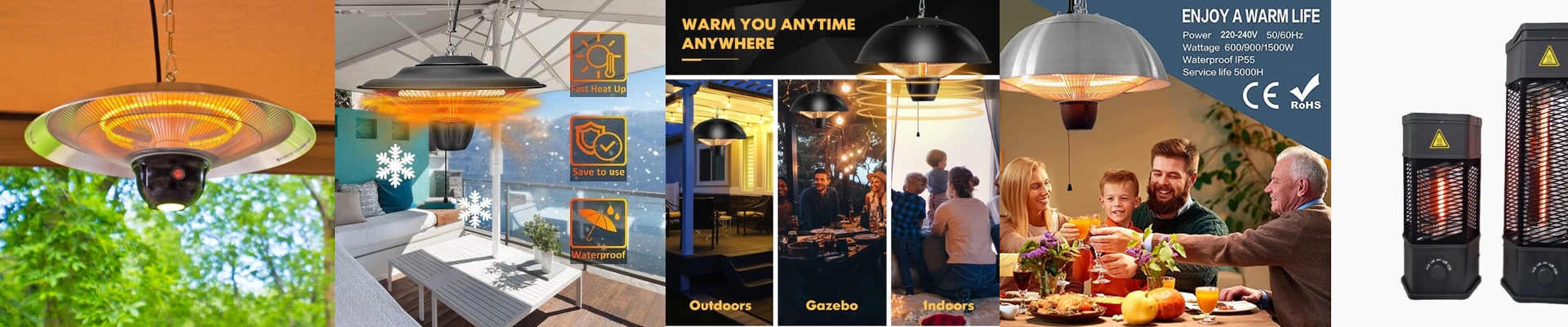
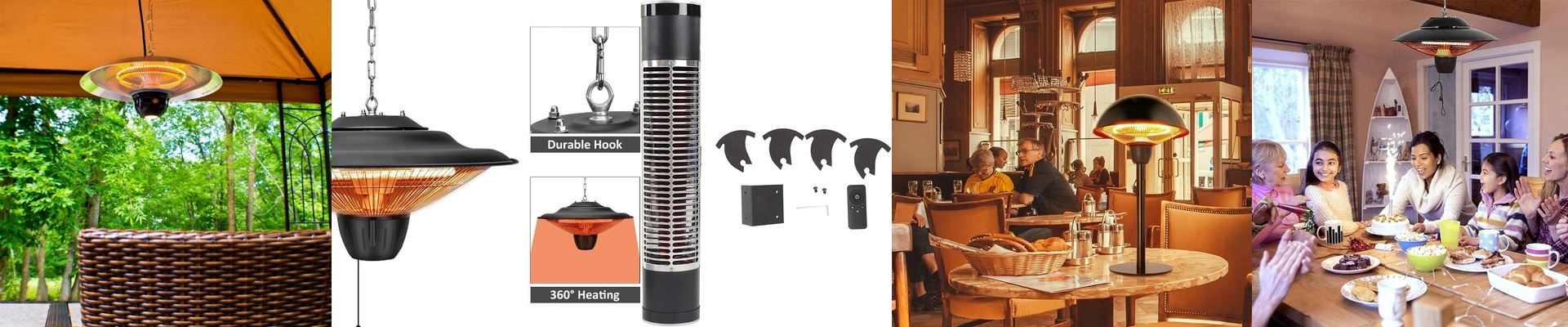
These heaters plug right into a standard outlet, the kind you already have at home—220–240V. Depending on the model, they draw anywhere from 500W to 3000W. The real magic is the programmable controller. It lets you set a schedule, responds to your thermostat, and manages the on/off cycles. So you’re only heating when you need to. The result? You save energy without ever feeling like you’re compromising on comfort. And it’s a compact unit. The heat is directional, too, so you’re not warming the whole room just to feel a little warmth. You focus the heat exactly where you want it.
The materials that make it work
The heat comes from a quartz tube, filled with halogen gas and coated with a high-emissivity layer. Quartz is tough—it handles rapid temperature changes without breaking a sweat and keeps the output steady. That special coating is key. It pushes more energy into useful heat instead of wasting it as visible light. And the halogen gas keeps the element clean, so it doesn’t get all black and dim over time. Installation? It’s straightforward. The terminals use a standard, secure connector (like the R7s) that’s built for high heat. You just line up the pins, seat the tube, and lock it in place. Done.
Real-world use: For the builder and the homeowner
In remote homes, workshops, or small businesses, this setup is a straight swap for kerosene. No more storing fuel. No more worrying about vents or cleaning wicks. You get heat the moment you turn it on. You get precise control over the temperature. And you get consistent output, every single time. There is one thing to plan for, though: the electrical load. A 2000W unit pulls about 9 amps at 230V. That means you need a dedicated circuit, and the wiring has to meet local codes. So you’ll want to get your breaker, wire gauge, and switch sorted beforehand. For the folks designing the space, it’s a clean, controllable heat source that works easily with building systems and makes the air noticeably better. For the people living and working there, it means breathing easier, dealing with less maintenance, and knowing exactly what your costs will be. Programmable electric infrared heaters are a practical, well-thought-out alternative to kerosene—built for health, control, and reliability.