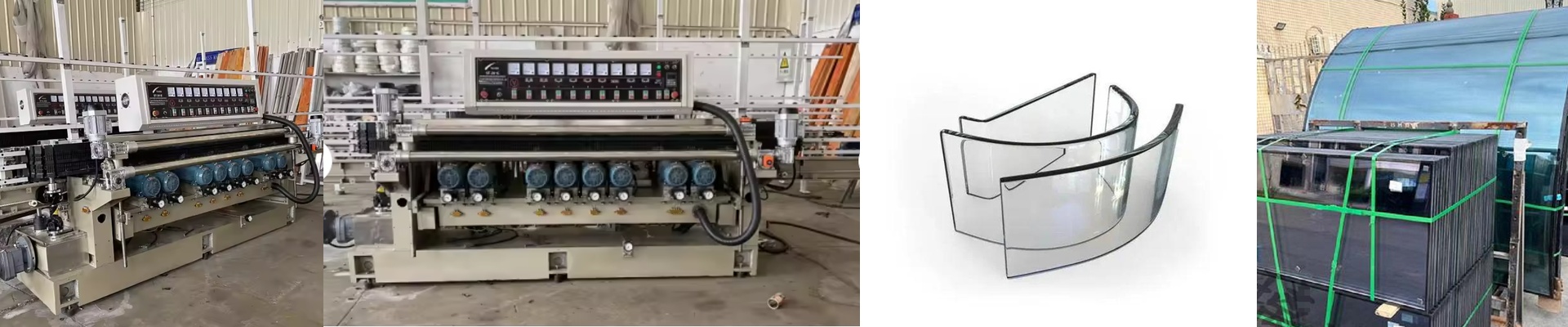
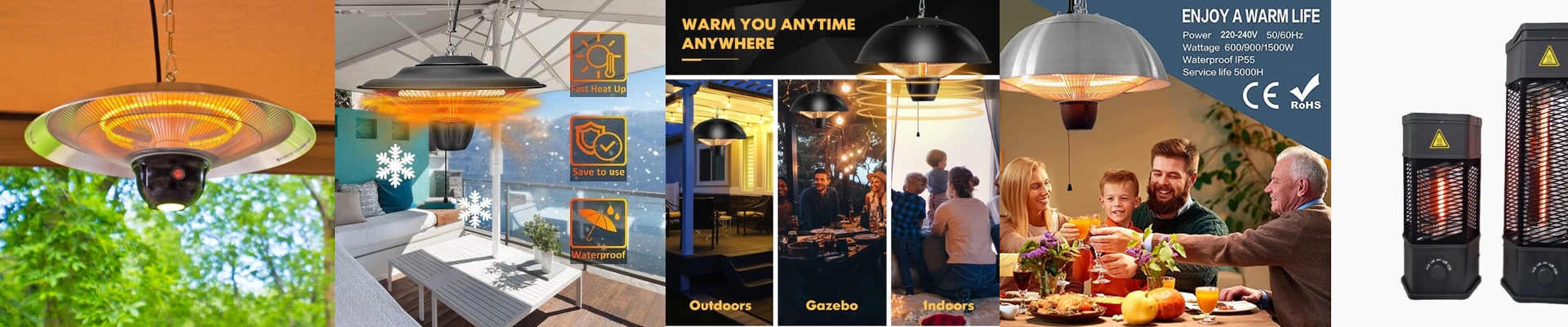


Out on the line, the glory hole is where the glass earns its temperature. If the thermal field wanders, you pay for it—uneven temper, edge waves, or stress fractures that don’t show until hours later. We designed our glory hole heating elements to keep that heat honest, shift after shift. What makes these elements different, technically We run short-wave infrared quartz emitters because they respond fast and give you tight control. Rated 240–480 V, power densities up to 6 kW/m, and lengths matched to common glory hole zones, they drop into standard mounting and termination setups. The quartz envelope holds up at high temperature, stays clean, and runs stable, with high emissivity in the near-infrared band. That means rapid heat-up and rapid cool-down when the cycle says so, with minimal convection drift. Why this matters where the work happens Tempering and bending demand repeatable soak profiles across the glass surface. These elements lay down uniform thermal distribution, so you spend less time fighting edge effects and more time shipping good glass. You’ll see shorter cycle times on bends, fewer optical distortions, and a tighter distribution in bend radius and bow. Energy use comes down because the element heats on demand, not by idling a big radiant bank at a fixed temperature. What you need to watch for These are direct-fit replacements for many OEM glory hole modules, but clearances and terminal boxes vary by furnace make. Check mounting dimensions and voltage before ordering, and make sure your control strategy can handle the fast ramp rates. For long life, keep the element aligned to the focal line and keep an eye on reflector condition—soiling changes the heat profile faster than you’d expect.