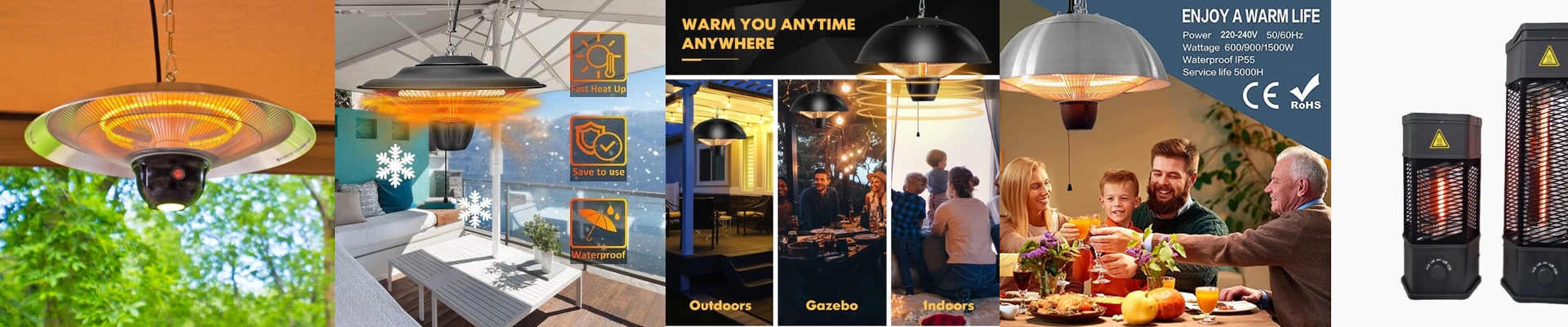

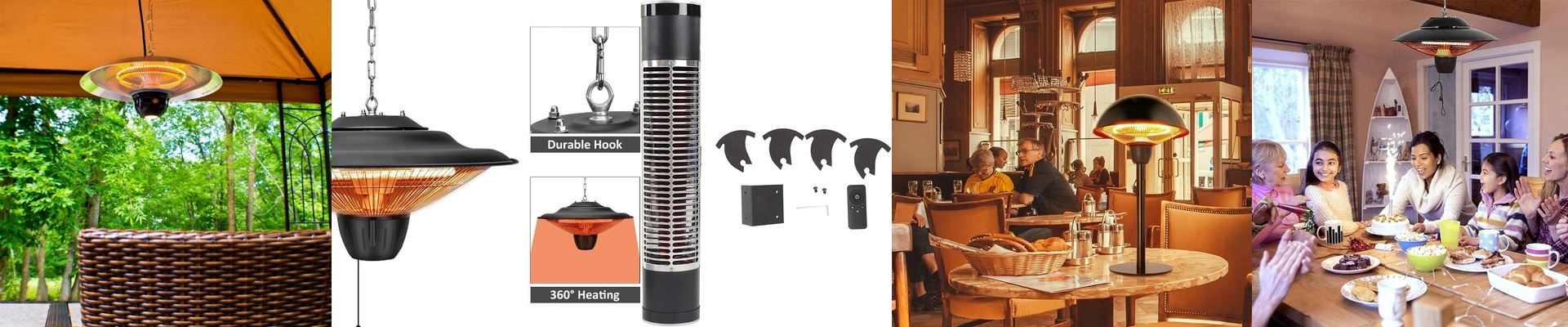
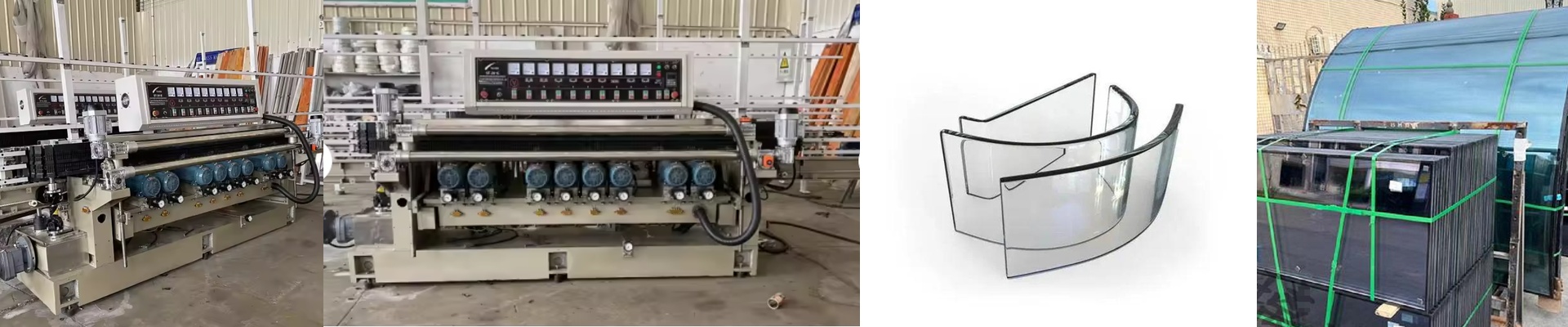
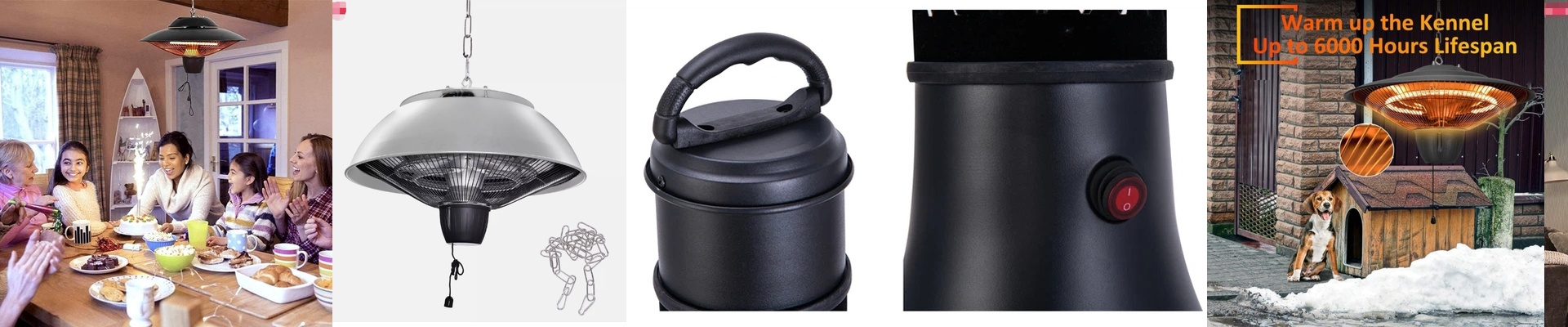

On the tempering line, timing and uniform temperature are non-negotiable. A single cold spot or a lag in the ramp-up, and you’re staring down optical distortion, thermal stress fractures, or a whole batch that misses spec. The infrared lamp reflector was built to stop those losses at the source, putting controllable, repeatable heat right where the glass needs it. What matters under the hood We set up the reflector with short-wave infrared quartz emitters paired to a high-purity anodized aluminum reflector cavity. That gives you a tight, controllable thermal profile with minimal convection drift. In practice, the ramp-up hits 120–180 °C/s, so the heating zone gets to setpoint fast without overshoot. Temperature uniformity across the target area holds at ±2.5 °C, keeping glass stress even and warp risk down. Power density runs 30–60 W/cm², sized to match your line speed and glass thickness without pushing the emitter. Why it plays in our world This reflector drops straight into tempering furnaces, bending stations, and lamination preheat zones—any place where fast, uniform heat directly moves the needle on yield. Faster ramp-up cuts cycle time, so you squeeze more sheets through a shift. Tight uniformity cuts scrap from edge stress and optical defects, and the focused infrared output wastes less energy heating frames, belts, and everything around it. In EVA/SGP/PVB lamination, it brings the stack up to bond temperature quickly and evenly, which means fewer bubbles and voids. In insulating glass sealing, it helps keep the seal profile repeatable without hot edges. What you need to keep an eye on Installation is straightforward, but alignment is where people get tripped up. Even a small reflector offset will show up as a gradient across the glass. Check mounting tolerances and emitter seating before the first run. The quartz emitters perform best when the chamber stays clean—dust buildup will drift uniformity over time. You’ll get the most consistent output when the target surface has high emissivity and the reflector cavity stays cool. Plan routine checks around 2,000–3,000 hours to keep performance where it should be.